
7 October 2026
By Roger Kennedy
roger@TheCork.ie
Entertainment
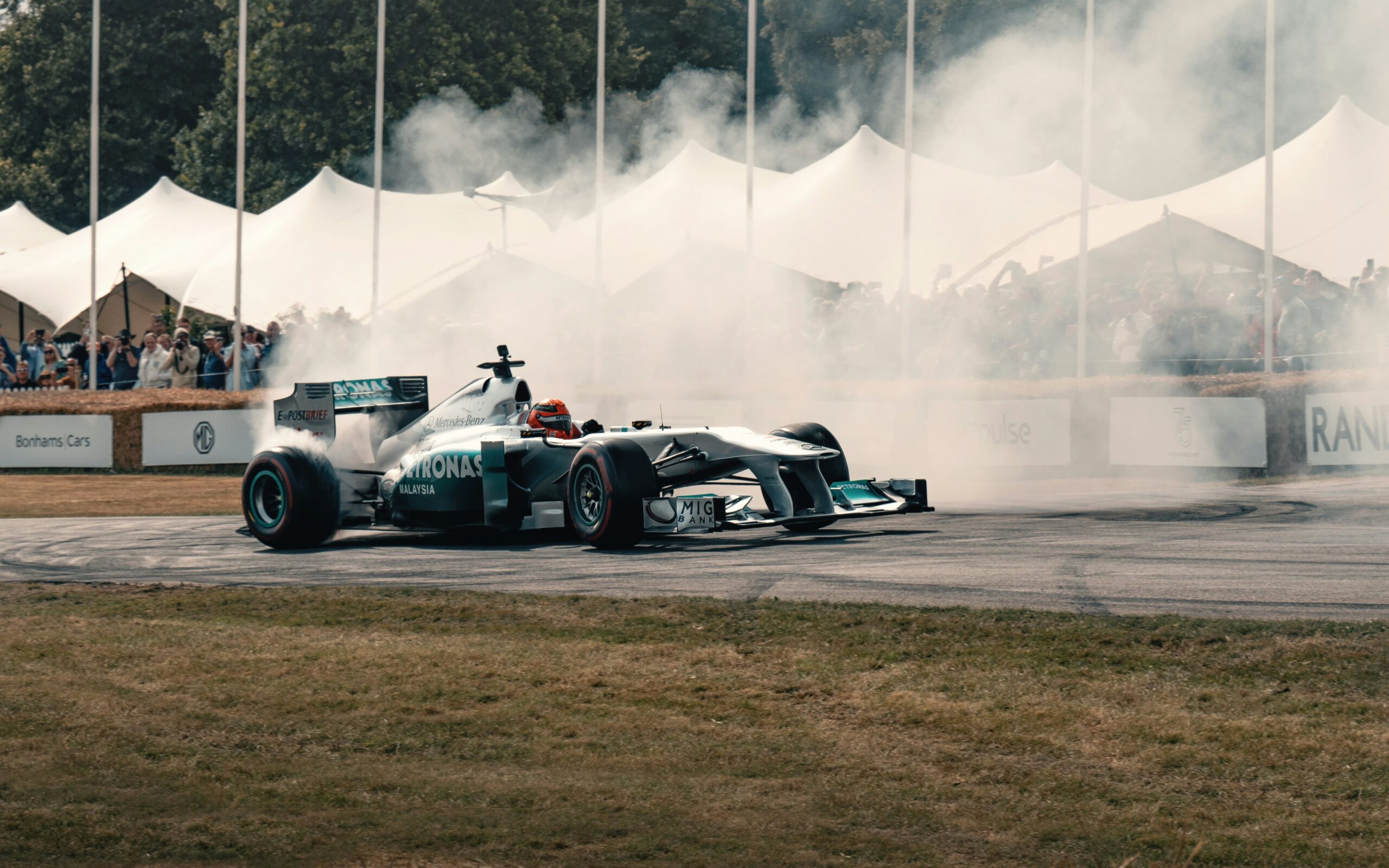
Formula 1 rarely maintains the same competitive picture throughout an entire season. A driver can build momentum over several weekends, a team can become more competitive as its car develops, and a change of circuit can suddenly favor strengths that mattered much less at the previous race.
Those changes become particularly important as the season moves toward its final races. Championship position provides useful context, but recent form and the characteristics of each race can reveal more about what might happen next. Three driver-and-team storylines highlight trends worth following.
1. Kimi Antonelli, Mercedes, and the Pressure of Leading
Kimi Antonelli enters the next stage of the season leading the Drivers’ Championship with 320 points, while Mercedes also sits first in the Teams’ Championship. That combination gives both driver and team a strong position, but strengthening it further becomes a different challenge as the number of remaining opportunities decreases.
Antonelli solidified his position with consecutive victories at Monza and Madrid. Those results followed a season in which he had already collected several wins, giving his championship lead a substantial foundation rather than leaving it dependent on one particularly strong weekend.
Azerbaijan showed why recent results still need to be followed closely. Antonelli crashed in Q1 and started 16th before recovering to fifth, while teammate George Russell won from pole. Russell consequently reduced Antonelli’s championship advantage from 81 points to 66.
For bettors, Mercedes’ two drivers are becoming increasingly important to watch as the title race develops. Antonelli’s overall advantage remains significant, but Russell’s latest victory provides another reason to assess current form alongside championship position when considering upcoming races.
2. George Russell and Red Bull Add Pressure at the Front
Russell’s Azerbaijan victory also revealed something beyond the Mercedes championship battle. Max Verstappen finished only 0.196 seconds behind him, while Isack Hadjar completed the podium in third. Putting two Red Bull cars in the top three made the front of the field considerably more competitive that weekend.
Red Bull has shown signs of that competitiveness elsewhere. Verstappen finished second behind Antonelli in Madrid and reached the podium at Monza, while Hadjar’s Azerbaijan result demonstrated that the team’s challenge is not necessarily limited to one driver.
When several teams can realistically compete near the front, Formula 1 betting odds can respond to more than championship position alone. Practice pace, qualifying performance, recent race results, and the characteristics of the upcoming circuit can all alter how convincing a driver looks for a particular weekend.
Russell remains second in the championship, while Verstappen sits sixth, yet their Azerbaijan battle was separated by less than two-tenths of a second. That contrast demonstrates why the competitive order at an individual Grand Prix can look quite different from the season-long standings.
3. Lando Norris, McLaren, and the Importance of Circuit Fit
Lando Norris and McLaren provide another reason to avoid treating championship position as a complete measure of current potential. Norris sits fifth in the standings, but he won consecutive races in Hungary and the Netherlands before taking pole and finishing third in Madrid.
Those performances came at different circuits and underline how the balance between teams can change from one weekend to another. Qualifying speed, tyre behavior, corner characteristics, and overtaking opportunities can influence whether a car’s strengths translate into a realistic chance of competing near the front.
Looking at F1 stats and news can help place those differences in context by adding recent qualifying performances and race results to the broader championship picture. A driver’s position in the standings reflects an entire season, while the next race depends much more heavily on the conditions and competitive picture of that particular weekend.
The remaining calendar will keep testing that distinction. Singapore, Austin, Mexico City, São Paulo, Las Vegas, Qatar, and Abu Dhabi present varied demands. This gives Mercedes, McLaren, Red Bull, and their drivers different opportunities to capitalize on their existing strengths across the closing rounds.
What to Watch as the Season Continues
Antonelli’s championship advantage, Russell and Red Bull’s recent competitiveness, and Norris’ ability to challenge across different circuits highlight three separate factors to follow. None guarantees how the next race will unfold, especially when qualifying and race-day conditions can quickly change the picture.
Following current form alongside circuit characteristics and season-long performance can provide a fuller view as the remaining races unfold. Bettors can update assessments as new information becomes available, while keeping any wagers within a predetermined entertainment budget.
Note: Statistics and standings are accurate as of September 30, 2026, and are subject to change.