
24 July 2026
By Roger Kennedy
roger@TheCork.ie
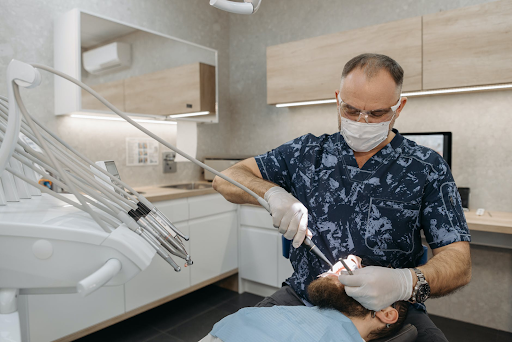
Invisalign has revolutionised orthodontic treatment across Ireland, offering adults and teenagers a discreet alternative to traditional metal braces. As more Irish people seek straighter smiles without the aesthetic concerns associated with conventional braces, understanding the financial investment required becomes increasingly important. The cost of Invisalign treatment in Ireland can vary considerably depending on numerous factors, and prospective patients often find themselves navigating a complex landscape of pricing structures, payment options, and value considerations.
Understanding Invisalign Treatment
Before delving into costs, it’s essential to understand what Invisalign actually offers. This innovative orthodontic system uses a series of custom-made, clear plastic aligners that gradually shift teeth into their desired positions. Unlike traditional braces with brackets and wires, Invisalign aligners are virtually invisible, removable, and designed using advanced 3D computer imaging technology. Each set of aligners is worn for approximately two weeks before progressing to the next in the series, with treatment duration typically ranging from six months to two years, depending on the complexity of the case.
Average Costs Across Ireland
The average cost of Invisalign treatment in Ireland typically ranges from €3,000 to €6,500, though prices can extend beyond this bracket for particularly complex cases. This substantial range reflects the diversity of treatment requirements amongst patients and the varying pricing structures employed by different orthodontic practices throughout the country.
In Dublin, where overheads tend to be higher, patients might expect to pay towards the upper end of this spectrum, with many practices charging between €4,500 and €6,500 for comprehensive treatment. Meanwhile, dental practices in regional towns and cities such as Cork, Galway, Limerick, and Waterford often offer more competitive pricing, with average costs ranging from €3,500 to €5,500.
It’s worth noting that these figures represent full Invisalign treatment. For patients requiring only minor adjustments, Invisalign Lite or Invisalign Express options may be available at reduced costs, typically ranging from €2,000 to €3,500.
Factors Influencing Invisalign Costs
Complexity of Treatment
The primary determinant of Invisalign cost is the complexity of your particular case. Mild crowding or minor spacing issues require fewer aligners and shorter treatment times, consequently costing less. Conversely, severe misalignment, significant bite issues, or cases requiring substantial tooth movement necessitate more aligners and extended treatment periods, driving costs upward.
Orthodontist Experience and Location
The expertise and reputation of your chosen orthodontist significantly impact pricing. Highly experienced practitioners with specialist qualifications and extensive Invisalign training often command premium fees. Their expertise, however, can translate into more efficient treatment planning and potentially better outcomes. Geographic location also plays a role, with urban practices generally charging more than their rural counterparts due to higher operational costs.
Treatment Duration
Longer treatment durations inevitably result in higher costs. A case requiring 18 months of treatment with multiple sets of aligners will cost considerably more than a six-month correction. During your initial consultation, orthodontists assess your specific needs and provide estimates based on projected treatment length.
Additional Procedures
Some patients require preliminary work before commencing Invisalign treatment. This might include tooth extractions, attachment bonding, or treatment for gum disease. These additional procedures add to the overall investment required for achieving your perfect smile.
Retainers and Follow-Up Care
Most Invisalign packages include retainers, which are essential for maintaining results after active treatment concludes. However, it’s important to verify what’s included in your quoted price. Some practices bundle retainers and follow-up appointments into their fees, whilst others charge separately for these necessary components.
Payment Options and Financial Considerations
Recognising that Invisalign represents a significant financial commitment, many Irish dental practices offer flexible payment arrangements to make treatment more accessible.
Payment Plans
Monthly payment plans are widely available throughout Ireland, allowing patients to spread costs over the treatment duration. Many practices offer interest-free payment options for periods ranging from 6 to 24 months, making Invisalign more manageable for household budgets. Some clinics partner with financial services companies to provide longer-term financing with competitive interest rates.
Insurance Coverage
Dental insurance policies in Ireland vary considerably in their coverage of orthodontic treatment. Whilst many plans don’t cover Invisalign for purely cosmetic purposes, some policies provide partial coverage if treatment is deemed medically necessary to correct bite issues or other functional problems. Typically, when coverage exists, insurance might contribute €1,000 to €2,000 towards treatment costs. It’s essential to thoroughly review your policy and discuss coverage with both your insurance provider and orthodontist before proceeding.
Tax Relief
Irish tax legislation permits claiming tax relief on dental expenses, including orthodontic treatment, at your marginal rate of tax. This means you can potentially reclaim 20% or 40% of your Invisalign costs, depending on your tax bracket. Claims can be submitted through Revenue’s myAccount system, providing valuable savings that effectively reduce your overall investment.
Comparing Invisalign to Traditional Braces
When evaluating whether Invisalign justifies its cost, many patients compare it with traditional metal braces, which typically range from €2,500 to €4,500 in Ireland. Whilst traditional braces are generally less expensive, Invisalign offers distinct advantages that many find worth the additional investment.
The removability of Invisalign aligners facilitates easier oral hygiene maintenance, potentially reducing long-term dental health costs. The aesthetic appeal allows adults to undergo treatment without professional or social self-consciousness. Additionally, treatment often proves more comfortable, with fewer emergency appointments for broken brackets or protruding wires.
However, traditional braces remain highly effective and may be more suitable for certain complex cases. Consulting with an orthodontist helps determine which approach offers the best value for your specific circumstances.
Maximising Value from Your Investment
To ensure you receive optimal value from your Invisalign investment, consider these important factors:
Research multiple orthodontists and obtain several quotes. Prices can vary by €1,000 or more for identical treatment, making comparison shopping worthwhile. However, don’t base your decision solely on price; consider practitioner experience, patient reviews, and the comprehensiveness of quoted packages.
Verify exactly what’s included in quoted prices. Comprehensive packages should encompass initial consultations, all aligners, refinements if needed, retainers, and follow-up appointments. Hidden costs can substantially increase your final expenditure.
Commit fully to treatment compliance. Invisalign’s effectiveness depends on wearing aligners for 20-22 hours daily. Non-compliance extends treatment duration and increases costs.
Finding the Right Provider
Selecting an experienced Invisalign provider is crucial for achieving desired results within projected timeframes and budgets. Look for orthodontists with Invisalign-specific accreditation, particularly those designated as Platinum, Diamond, or Diamond Plus providers, indicating extensive experience with the system.
Reading patient reviews and examining before-and-after photographs helps gauge expected outcomes. Many practices offer free initial consultations, providing opportunities to assess facilities, meet staff, and obtain personalised treatment plans and cost estimates without financial commitment.
Conclusion
Investing in Invisalign treatment in Ireland represents a significant financial commitment, with costs typically ranging from €3,000 to €6,500 depending on individual circumstances. Whilst this may seem substantial, the benefits of a straighter, healthier smile extend far beyond aesthetics, potentially improving oral health, confidence, and quality of life for years to come.
By understanding the factors influencing costs, exploring available payment options, and carefully selecting an experienced provider, Irish patients can make informed decisions about their orthodontic treatment. With flexible payment plans, potential insurance contributions, and tax relief opportunities, Invisalign is more accessible than many initially assume. Ultimately, the investment in your smile is an investment in yourself—one that countless Irish patients have found tremendously worthwhile.