
1 September 2026
By Tom Collins
tom@TheCork.ie
The National Pesticides and Drinking Water Action Group (NPDWAG) is urging all users of pesticides in Cork to remain vigilant as the spraying window comes to a close. Communities are again reminded that it only takes one drop to impact a drinking water source.
While the need and opportunities for spraying declines towards year end, the risk to drinking water sources remains. The NPDWAG is reminding all pesticide users in Cork that the actions they take now can help protect drinking water supplies for the communities that depend on them.
In recent years, Ireland has made significant progress in reducing pesticide detections in drinking water supplies. Since the establishment of the NPDWAG in 2017, pesticide exceedances have reduced by more than 50%, demonstrating the positive impact of local collaboration, awareness raising and responsible pesticide use. However, continued vigilance remains essential, particularly during the autumn months when wetter conditions can increase the risk of pesticides entering rivers, streams and other drinking water sources.
Commenting on the campaign, Dr Aidan Moody, Department of Agriculture, Food and the Marine (DAFM) and Chair of NPDWAG, said: “We have seen excellent work by farmers and land managers in recent years to reduce pesticide use and to follow correct application methods. We urge everyone to continue the great work and always consider whether a pesticide is needed at all and, where it is, to make sure that best practices are followed. This approach not only protects our drinking water but also supports biodiversity and healthy ecosystems.”
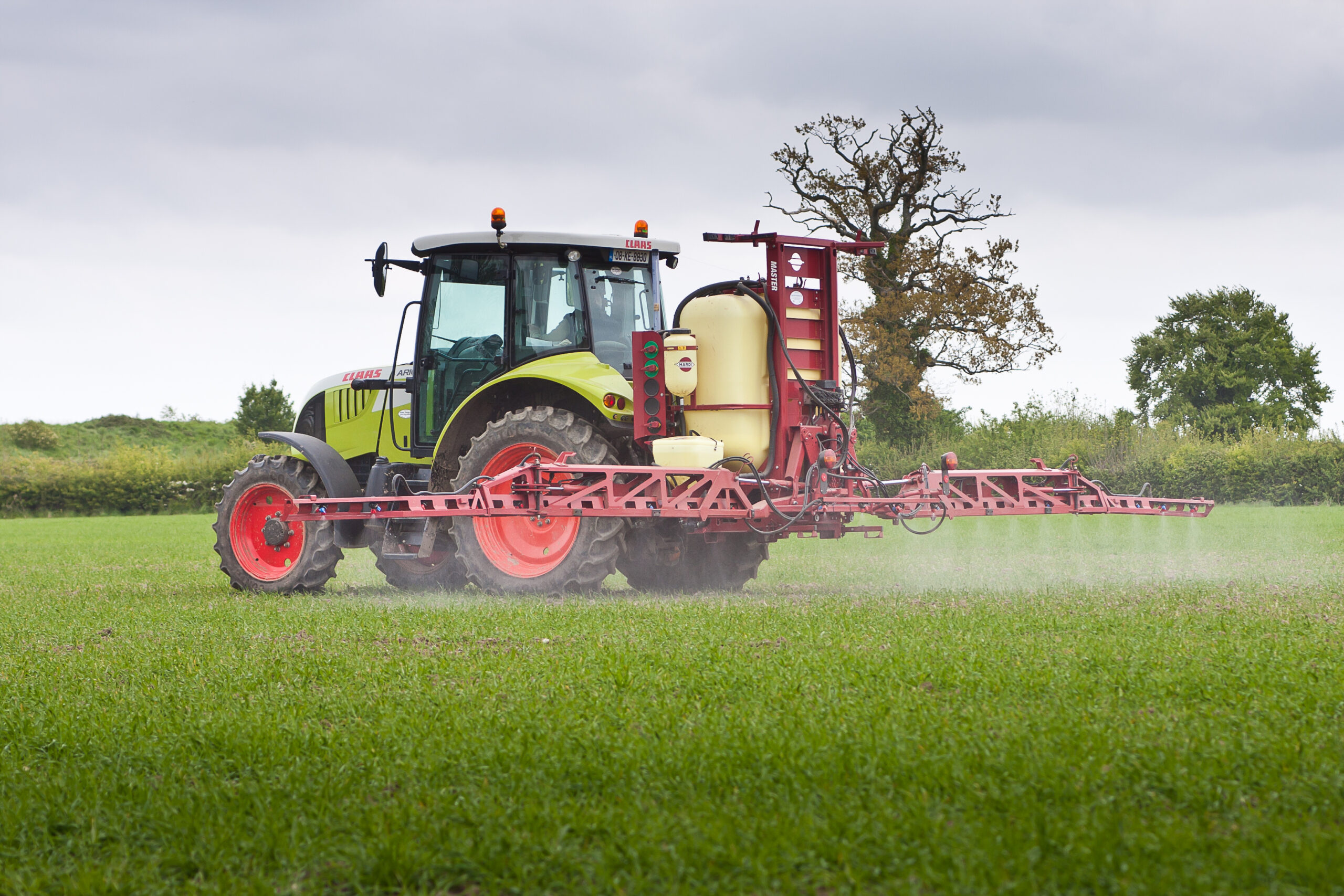
Dr Patrick O’Sullivan of Uisce Éireann added: “Experience shows that pesticide exceedances can still occur outside the main spraying season, particularly during the autumn months. These detections reinforce a simple message: it only takes one drop of pesticide to impact a water source. By following best practice and taking extra care near watercourses, pesticide users can help protect drinking water and build on the significant progress achieved in recent years.”
Pesticide users are reminded that proper storage and disposal of pesticides and their containers remain important throughout the year. Users should always follow the product label, maintain buffer zones near watercourses, avoid spills and take note of any relevant weather forecasts – especially if rain is due within the next 48 hours.
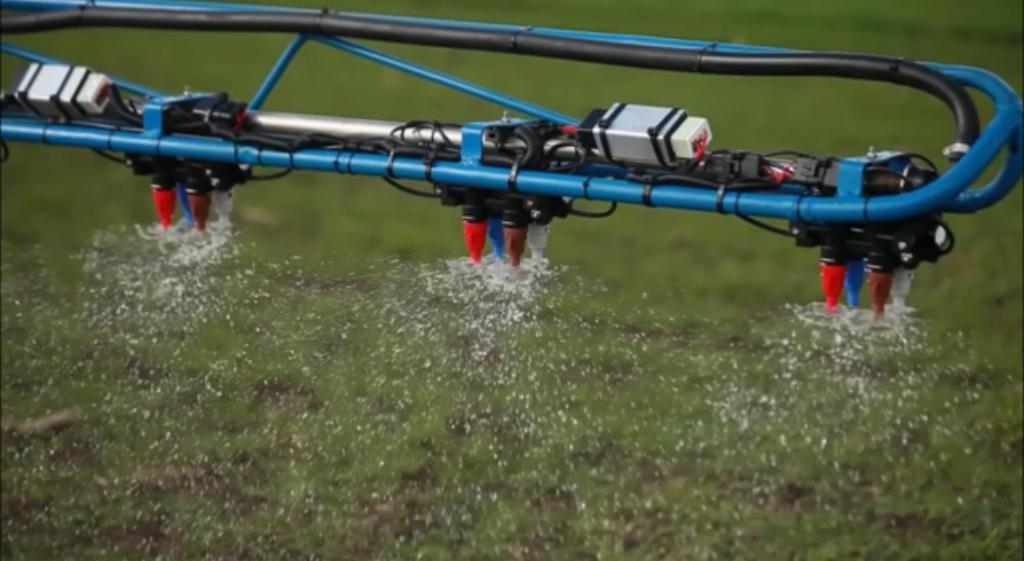
Pesticide users should also note that a closed spray period is specified on the label of some products, during which product should not be used. For example, herbicide products containing MCPA must not be used between the end of September (or the end of October depending on the specific product) and the beginning of March. This is because late-season applications, combined with wetter autumn and winter conditions, increase the risk of pesticides reaching drinking water sources.
The cooperation of pesticide users is vital in helping to maintain the high quality of Ireland’s drinking water supplies. More information can be obtained from local farm advisors or through the Department of Agriculture, Food and the Marine’s water protection resources at www.pcs.agriculture.gov.ie/
Key Messages for All Pesticide Users
- Only use pesticides when necessary and after considering all alternative control methods.
- Always read and follow the product label.
- MCPA products are not allowed to be used from the end of September (or the end of October depending on the particular product) through to the beginning of March.
- Do not use pesticides if rain is forecast in the next 48 hours.
- Keep well clear of watercourses, drains, wells and springs, and observe the correct no-spray buffer zones.
- Avoid spills. Never fill or wash sprayers beside drains or on concrete where run-off can occur, and triple-rinse containers into the sprayer.
- Dispose of unused product and containers safely.
- Never fill a sprayer directly from a watercourse.