
16 November 2026
By Roger Kennedy
roger@TheCork.ie
Rug Underlay Guide: What to Use on Wood, Tile and Concrete Floors
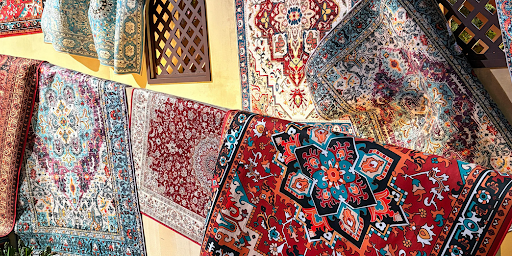
A beautiful rug can completely transform a room, adding warmth, colour and character to an otherwise ordinary space. Whether it is a contemporary design or a traditional Persian carpet, choosing the right rug is only half the job. What goes underneath it matters just as much.
In Irish homes, where wooden flooring, tiles and concrete surfaces are common, the right underlay can help prevent slipping, reduce wear and make a room feel more comfortable.
But not every rug underlay works with every floor. Choosing the wrong material could leave unwanted marks, affect floor finishes or trap moisture.
So, what should you look for?
Why Does Rug Underlay Matter?
A rug underlay is a thin layer of cushioning or grip placed between a rug and the floor.
It serves several practical purposes. First, it helps keep rugs in place, particularly in busy areas such as hallways, living rooms and kitchens.
Second, it reduces movement and friction that can gradually damage the rug’s foundation. This is especially important for handmade and hand-knotted carpets.
Finally, some underlays provide additional cushioning and thermal comfort, particularly on hard, cold flooring.
For anyone investing in quality hand-knotted Persian rugs, selecting a suitable underlay is a sensible way to help protect the rug’s construction over time.
What Is the Best Rug Underlay for Wooden Floors?
Wooden floors are a popular feature in Irish homes, but they require some care when choosing rug underlay.
A felt underlay with a non-slip backing can provide cushioning while keeping the rug securely positioned.
However, not all rubber or synthetic materials are suitable for finished wood. Some backings may react with floor coatings, leave marks or restrict moisture movement.
Before purchasing, check whether the underlay is compatible with your particular flooring.
For varnished, lacquered, waxed or oiled wood, following the flooring manufacturer’s recommendations is particularly important.
Avoid adhesive-backed products unless they are specifically approved for the surface.
Choosing Rug Underlay for Tiled Floors
Tiles are durable and easy to maintain, making them common in kitchens, bathrooms and entrance halls.
However, their smooth surface can cause lightweight rugs to slip.
A non-slip rug underlay designed for tiled flooring can help prevent movement, particularly in areas where people frequently walk.
For larger rugs, a cushioned felt-and-grip underlay may provide additional comfort.
In kitchens and hallways, look for a product that is easy to lift when cleaning underneath.
Remember that even a non-slip underlay cannot make a rug completely slip-proof, particularly on wet or greasy tiles.
What Should You Use Under Rugs on Concrete Floors?
Concrete and other solid floors present different challenges.
While they are generally hard-wearing, they can feel cold underfoot. Some may also experience condensation or moisture problems.
A breathable underlay suitable for concrete can provide cushioning without unnecessarily restricting airflow.
However, if the floor is visibly damp, the priority should be identifying and resolving the moisture problem before placing a rug over it.
Simply installing a moisture barrier beneath a rug may trap dampness rather than solve the issue.
This is particularly relevant in older Irish properties where ground-floor moisture can sometimes be a concern.
Looking After Persian and Antique Rugs
Handmade rugs deserve particular attention because their foundations, fibres and dyes can vary considerably.
A suitable underlay helps limit movement and friction, but regular maintenance is equally important.
Vacuum gently, inspect the underside periodically and avoid leaving a rug on a damp surface.
Antique rugs, silk carpets and pieces with weakened foundations may require specialist guidance before an underlay is selected.
How Often Should You Lift and Air Your Rug?
It is good practice to lift rugs periodically, particularly in busy rooms or areas prone to condensation.
Every few months, check the underside of the rug and the floor beneath it.
Look for trapped dirt, damp patches, discolouration or signs that the underlay is deteriorating.
Rotating a rug occasionally can also help distribute foot traffic more evenly and reduce uneven fading from sunlight.
Signs Your Rug Underlay Needs Replacing
An underlay will not last indefinitely. Watch out for these warning signs:
- The rug has started sliding or bunching up.
- The underlay has become flattened, brittle or torn.
- Marks or discolouration appear on the flooring.
- There is a persistent damp or musty smell.
- The backing is breaking down or leaving residue.
If any of these occur, remove the underlay and inspect both surfaces before replacing it.
Frequently Asked Questions
Can I Put a Rug Directly on a Wooden Floor?
Yes, but a suitable underlay is generally advisable to reduce slipping and friction. Always check that the material is compatible with the floor finish.
Is Thick or Thin Rug Underlay Better?
It depends on the rug and floor. A thicker underlay can provide additional cushioning, while a thinner non-slip option may be sufficient for a lightweight rug. Avoid excessive thickness that causes raised or unstable edges.
Can Rug Underlay Damage Flooring?
Yes. Certain backing materials can stain or react with floor finishes. Moisture trapped beneath incompatible materials may also cause problems. Always follow the manufacturer’s guidance.
Choosing the Right Underlay for Your Home
The best rug underlay is not necessarily the thickest or most expensive. It is the one that suits your flooring, your rug’s construction and the conditions in your home.
For wooden floors, compatibility with the finish is essential. For tiles, grip and ease of cleaning matter most. On concrete, moisture control should be considered before anything else.
A little attention to what sits beneath your rug can help protect both your flooring and a piece of furniture that may remain part of your home for many years.