
21 August 2026
By Roger Kennedy
roger@TheCork.ie
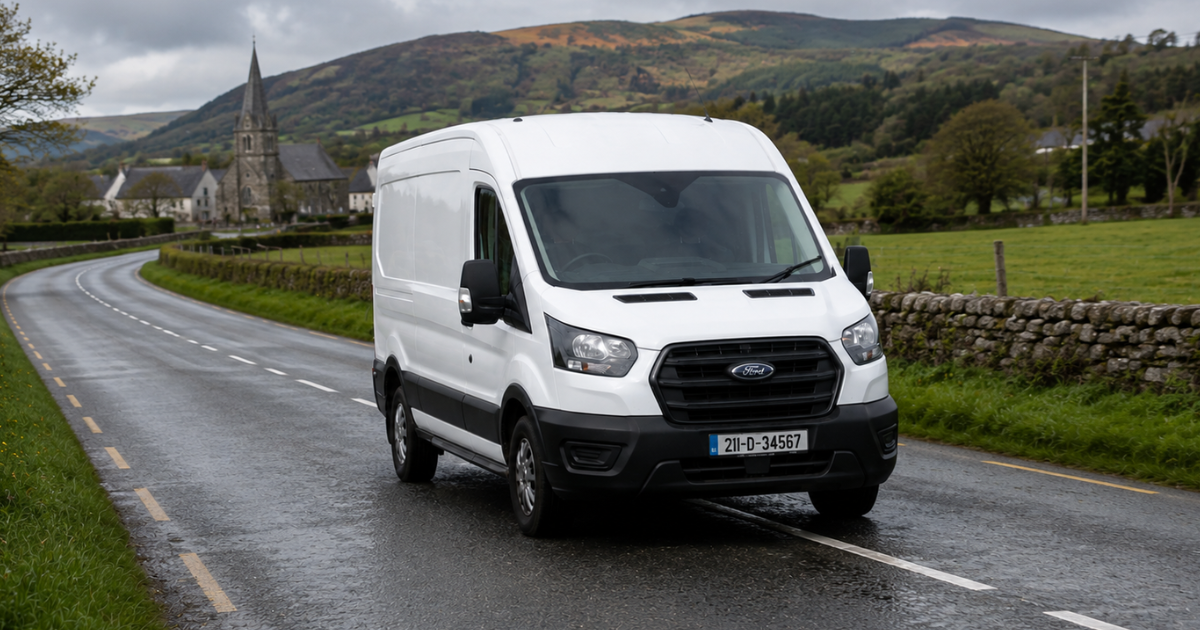
commercial van travelling through rural Ireland
Across rural Ireland, thousands of tradespeople, delivery operators and mobile service providers rely on their vans every day. Whether travelling between farms, villages or remote customer locations, a commercial vehicle is often the foundation of a successful business.
However, while demand for local services remains strong, the cost of operating a van continues to rise. Fuel, repairs, insurance and compliance requirements are all increasing pressure on business owners who depend on their vehicles to generate income.
For many operators, van insurance is a key annual expense alongside fuel, servicing and vehicle upkeep. As repair costs and vehicle values continue to climb, managing these costs has become more important than ever.
Commercial vans remain vital to local economies
Despite economic challenges, investment in commercial vehicles remains strong.
According to the Society of the Irish Motor Industry (SIMI), more than 32,000 new light commercial vehicles were registered in Ireland during 2025, representing a year-on-year increase of approximately 7%.
The figures highlight the continued importance of commercial vans for construction firms, logistics companies, agricultural businesses and independent tradespeople throughout the country.
In many parts of rural Ireland, reliable transport is essential for reaching customers, sourcing materials and maintaining day-to-day operations.
Fuel costs continue to impact margins
For most operators, fuel remains one of the largest operating costs.
Businesses in rural areas often cover significant distances between jobs, making fuel consumption difficult to reduce. A plumber travelling across multiple towns or a courier delivering to remote locations may accumulate hundreds of kilometres every week.
According to recent estimates, operating a medium-sized commercial van in Ireland can cost between €5,500 and €9,000 annually, excluding finance and depreciation. Fuel can account for a substantial portion of that figure.
Although diesel prices are no longer at the peak levels seen during the energy crisis, they remain a major expense for businesses that spend much of their working day on the road.
Rising maintenance and compliance costs
Modern vans offer better efficiency, safety features and reliability than previous generations, but they can also be more expensive to maintain.
Routine servicing, tyres, brakes and diagnostic repairs have all increased in cost. As vehicles age, maintenance bills often become more frequent, encouraging many owners to delay replacement decisions for as long as possible.
In addition to maintenance, a van-based business must budget for several ongoing requirements, including:
- CVRT testing
- Motor tax
- Servicing and repairs
- Tyres and replacement parts
- Business insurance
- Vehicle inspections
- Tools and equipment replacement
Individually, these costs may appear manageable. Combined, they represent a significant annual commitment for small business owners.
Improving efficiency through technology
To offset rising operating costs, many businesses are investing in technology that helps reduce unnecessary mileage and improve productivity.
Popular solutions include:
- GPS route optimisation
- Fleet management systems
- Digital scheduling tools
- Mobile invoicing software
- Fuel consumption monitoring
- Cloud-based accounting platforms
These tools help business owners streamline operations, reduce wasted journeys and make better use of working hours.
Even modest improvements in route planning can create noticeable savings over the course of a year.
Are electric vans becoming a viable option?
Electric commercial vehicles are becoming an increasingly common consideration for businesses looking to reduce long-term running costs.
While purchase prices remain higher than diesel alternatives, lower charging costs and government incentives are encouraging some operators to make the switch.
The CSO Road Freight Transport Survey reported growth in freight activity during 2025, underlining the ongoing importance of efficient transport across Ireland’s economy.
For businesses operating predictable daily routes, electric vans may offer long-term savings. However, charging infrastructure remains a challenge in some rural locations.
Looking ahead
A successful van-based business depends on keeping operating costs under control while continuing to deliver reliable service.
From managing fuel consumption and maintenance schedules to adopting smarter technology, small changes can have a significant impact on profitability over time.
Despite rising costs, rural businesses continue to adapt and invest. Whether serving local communities, supporting agriculture or providing specialist services, commercial vans remain essential to the economic life of rural Ireland.
For many operators, the vehicle parked outside is more than transport — it is the tool that keeps the business moving forward.