
20 August 2026
By Tom Collins
Tom@TheCork.ie
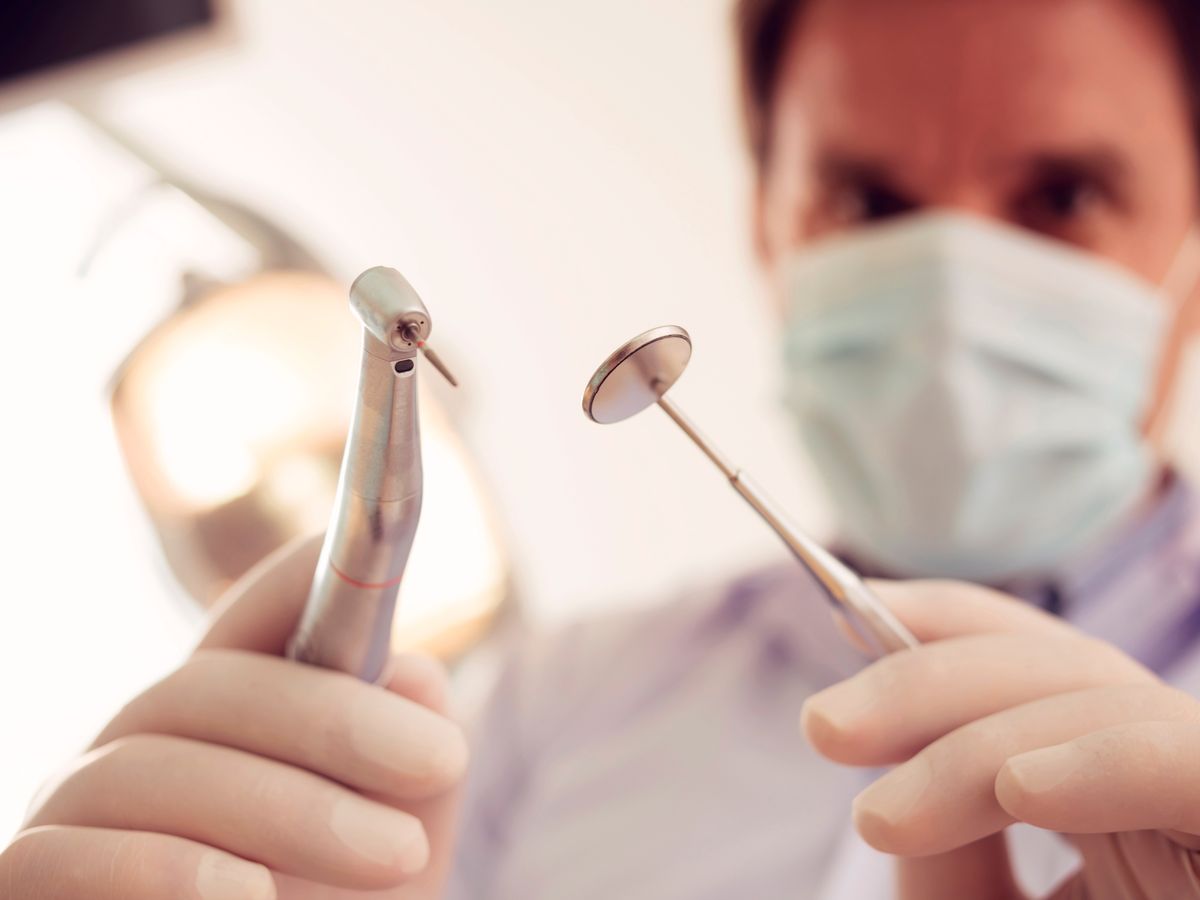
Ireland needs to train more dentists while ensuring graduates are equipped to provide appropriate care to people with disabilities, Cork North Central Fine Gael TD and Vice-Chair of the Oireachtas Health Committee Colm Burke has said.
Deputy Burke made the comments ahead of addressing the International Association for Disability and Oral Health Conference in Trinity College Dublin this week.
“People with disabilities can face significant barriers in accessing dental treatment, from inaccessible facilities and communication difficulties to finding a dentist with the appropriate training and experience.
“We need to develop a clearer national framework for Special Care Dentistry, but we also need to ensure that disability inclusive care forms a stronger part of the education and training received by dentists generally.”
Deputy Burke said this must form part of a wider expansion of dental training in Ireland.
“Department of Health figures previously estimated that Ireland had 47 practising dentists per 100,000 people, placing us towards the lower end of OECD countries. Irish student places in dentistry at UCC and Trinity has also remained largely unchanged for 25 years.
“Between UCC and Trinity, on average 100 new students were taken in each year over the last 10 years. Of these, more than 50% were from non-EEA countries. While the new RCSI course is progress, it does not resolve the problem entirely. We have not increased the number of Irish dentists qualifying to match the increase in population. Our population has increased by 40% over the last 25 years and the services we provide must reflect that.”
“Our dental schools have traditionally relied heavily on the fees paid by non-EEA students to help fund these expensive courses. I have previously called for additional State funding to allow our dental schools to increase the number of places available to Irish students. We need to build our domestic dental workforce while maintaining the important contribution made by dentists trained overseas. However, we should not be relying on other countries to train our dentists when we can provide places on courses here.
“But increasing numbers alone will not resolve every problem. Dental students should receive greater clinical exposure to treating patients with disabilities, while practising dentists should be supported through continuing professional development in areas such as disability care, communication and reasonable adjustments.
“The National Human Rights Strategy for Disabled People 2025–2030 includes a specific commitment on oral health. We now need to translate that commitment into improved access for patients.
“Our objective should be straightforward: to have enough dentists to meet the needs of our growing population and to ensure they have the training and support required to provide high-quality care to all patients, including people with disabilities,” Deputy Burke concluded.