
20 May 2026
By Roger Kennedy
roger@TheCork.ie
How Syria supports sport under challenging conditions
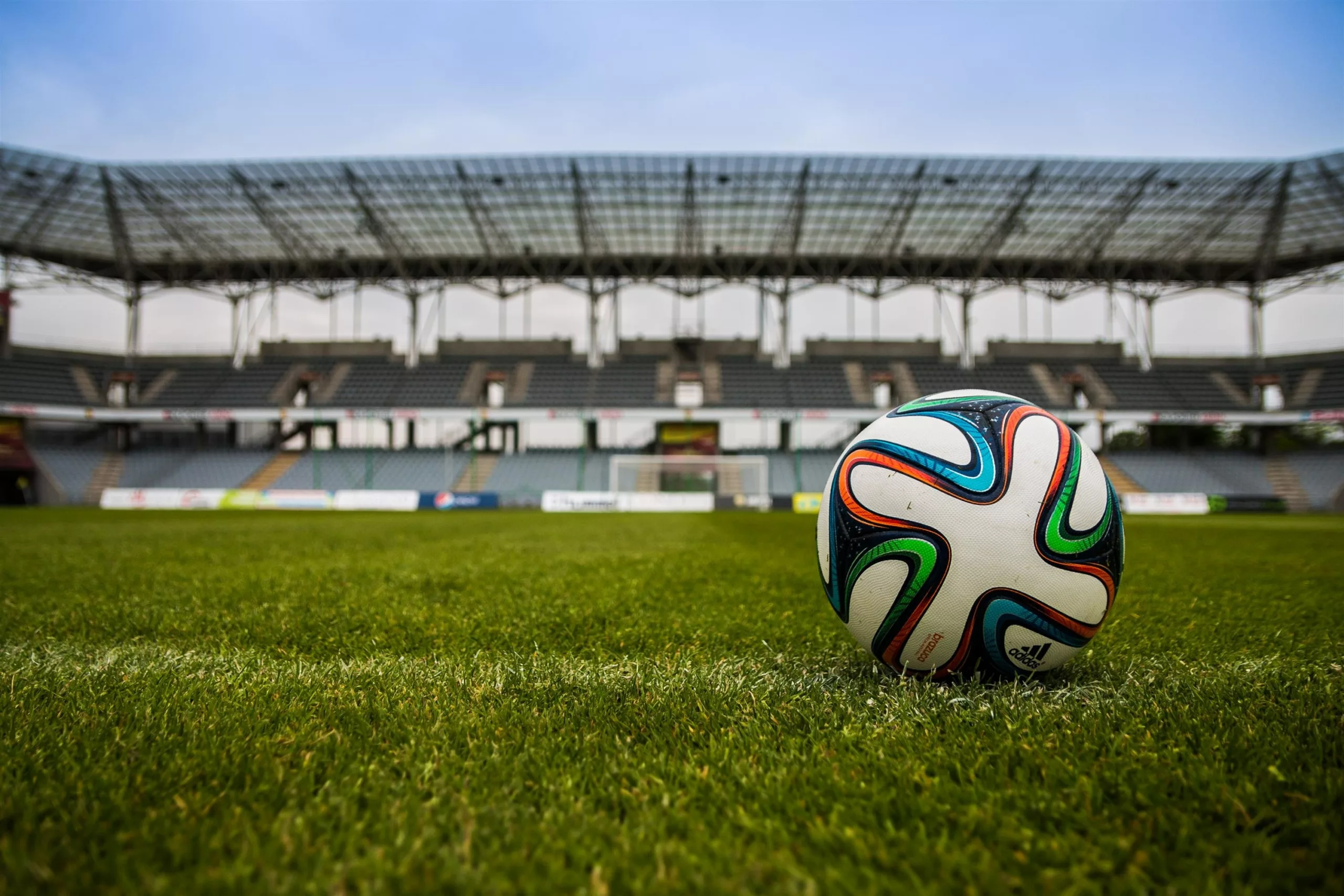
Football has a long history in Syria, where local leagues and packed pitches remained active across many cities despite economic and infrastructure challenges. Sport continued connecting communities even while clubs operated with smaller budgets, older facilities, and limited travel opportunities. Basketball, boxing, and martial arts competitions also remained active throughout difficult years.
Football Remains the Most Popular Sport
Syria faced major economic and infrastructure challenges, but sport continued surviving across the country. Football, especially, remained deeply connected to everyday life and continued uniting communities during difficult periods. Even with limited access to stadiums and international broadcasts, many fans still followed matches online through platforms linked to MelBet registration, using mobile services to track live scores, fixtures, and regional football news. Domestic leagues, regional tournaments, and local clubs still operated despite financial pressure and damaged facilities.
Youth development also remained important for many Syrian football organizations. Several clubs continued running academies and regional training programs, even with limited resources. Many talented Syrian players moved to leagues in Iraq, Jordan, Lebanon, and Gulf countries to continue their professional careers. The national team also continued competing in AFC and FIFA tournaments throughout difficult years.
Youth Programs Continue Operating
Despite financial and infrastructure challenges, youth sports continue to operate in Syria. Many local clubs, academies, and schools continue to organize training in football, basketball, and other sports for children. Most of the coaches work in difficult conditions with very modest resources, but developmental systems remain in several major cities in Syria.
These sports zones play an integral part in youth sports:
- school-based football competitions in Damascus and Aleppo;
- basketball academies;
- community-organized football training;
- Regional competitions in martial arts for novices.
These programs help maintain athlete development despite difficult conditions. In many programs, coaches provide young athletes with discipline, structure, and stability that extend far beyond sport itself. Many Syrian athletes competing internationally today first developed through small local sports programs that continued operating during difficult years across the country.
Local Communities Support Sports Development
Support for community sports, as a form of subsidizing entertainment, kept Syrian sports active. Neighborhood clubs, coaches, and families volunteering at community clubs helped organize training and tournaments for children. During the years of the Syrian war, community outreach and parenting helped sustain the usage of sports facilities such as football pitches and basketball courts, even when community resources were scarce. During economically difficult times, community support enabled small sports clubs to remain active.
The active role community support played in sustaining the system of sports development in various regions. Whether as organizers or as parents, community support plays a significant role in sustaining sports development, as well as supporting clubs. Grassroots support helped maintain community sports and competitive youth activities, including basketball, martial arts, and football, within the community.
Smaller Clubs Still Train Players
Due to limited funding and sports infrastructure, community support became essential for sustaining youth sports development. Regional clubs continued helping young footballers and basketball players access training opportunities, while local communities often covered transportation and tournament expenses. Many supporters also stayed connected with regional football through pages like MelBet Instagram Syria, where match updates, local sports news, and highlights are shared regularly. Community involvement helped many youth programs continue operating despite difficult financial conditions.
Numerous clubs offer players the opportunity to develop their skills and serve as a bridge to upper-tier football and basketball leagues. Players who show skill are later recruited into larger clubs or even the youth national teams. Although the system remains economically challenging, regional associations still develop athletes who can participate in even tougher levels of the sports in Syria.
Athletes Continue Competing Internationally
Despite the financial and logistical challenges and the pandemic, the athletes are still able to travel and represent Syria in international sporting events. Football, boxing, all forms of athletics, martial arts, and basketball are the sports that see the most active Syrian representation in the region and the Asian league. Some athletes even continue their professional sporting endeavors in neighboring countries or Gulf-federated leagues.
There are several forms of sports in which Syrian athletes actively participate, such as:
- Football
- Boxing
- Martial arts
- Regional basketball competitions
- Athletics and continuing to represent Syria with national athletic teams.
Continuing to represent Syrian athletics internationally, is of utmost importance as it gives the athletes the experience they need to compete at a higher level as well as being able to compete at a higher level. Relevant sports organizations in Syria make every effort to prioritize international competition.
Stadiums and Facilities Need Investment
The sports leagues in Syria continue to operate, regardless of the harsh conditions, with football as the most popular of the sports; however, most of the sporting facilities have major infrastructure challenges. Many of the sports fields and training centers have sustained damage from the conflict, and even fewer have remained untouched. Despite those fields, sports centers, and basketball facilities being able to conduct sporting competitions and youth training, having a major infrastructure impact on the sporting facilities is still a major issue.
| Facility Issue | Current Impact |
| Damaged stadium sections | Reduced match attendance capacity |
| Older training grounds | Limited player development conditions |
| Outdated equipment | Lower training quality |
| Maintenance shortages | Slower facility recovery |
Local authorities and sports organizations continue restoring facilities gradually whenever funding becomes available. Even partial renovations help clubs and youth programs remain active throughout the country.
Basketball Also Maintains Strong Support
Besides football, basketball is one of the most popular sports in Syria, especially in the cities of Damascus, Aleppo, and Homs, and the interest in local league matches is one of the strong indicators of this popularity. Several basketball clubs in Syria operate youth academies and senior teams. Despite the financial challenges they faced, they continued to work. For decades, basketball clubs maintained Syria’s competitive presence in West Asia and Palestinian basketball.
Basketball programs became popular with local clubs and inclusive clubs because patrons, schools, and local clubs actively organized and sponsored basketball teams. Playing and practicing on an indoor basketball court became an important social outlet and recreational training whenever difficult training breaks were inevitable. Playing and practicing on an indoor basketball court provided an important social and recreational outlet during difficult training breaks. Coaches were highly regarded in local communities and respected as an important cultural role for maintaining social order in the local community.
Sports Help Communities Stay Connected
In Syria, sports go far beyond the entertainment and recreational aspects, and for many communities, sports competitions and games form the foundation for social interaction in the context of a severely fractured community. Sports competitions and games, including football matches, basketball tournaments, and youth competitions, keep communities united in the context of a severely fragmented community.
Reteaming and organizing regional competitions help unify communities, and performing these functions and many others is the role of sports, especially age group sports competitions and tournaments, but sports do not exist in a vacuum, and performers of these sports. Integral to the format of these sports are pupil coaches and managers. Forms for community engagement are economically difficult and socially difficult, even if the social formations of clubs, practices, and games are performed at domestic competitions.
Syria Continues Supporting Local Athletes
Syrian sport continues to develop despite financial and infrastructure challenges. Local clubs, schools, coaches, and communities still invest time and effort into training athletes. Many facilities still require rebuilding, but youth programs and competitions continue operating across several regions. Despite difficult conditions, Syrian athletes still train and compete in regional and international events.