12 June 2026
By Roger Kennedy
roger@TheCork.ie
How Irish Learners Can Start Teaching English Abroad in 2026
For a lot of young adults in Ireland, the idea of living and working in just one place for the next forty years feels outdated. You see friends moving abroad, working remotely, taking working holiday visas, or becoming digital nomads, and you might be wondering how to do something similar without derailing your entire career. Teaching English abroad has become one of the most realistic and exciting ways to do exactly that.
Instead of waiting for the “perfect” job to show up at home, thousands of Irish learners are using their natural advantage—being fluent in English—to travel, earn a salary, and build international experience. From teaching in Spanish coastal towns and South Korean cities to working remotely as an online English tutor, a whole world opens up when you decide to teach English overseas.
So where do you actually start? The answer, for anyone serious about teaching English abroad or online, is TEFL.

Why TEFL Is Your Starting Point
TEFL (Teaching English as a Foreign Language) is the qualification that shows schools, language centres, and online platforms that you are not just a native or fluent speaker—you are trained to teach. It gives you the theory, tools, and confidence to step into a classroom or online lesson and actually help students progress.
In 2026, more employers expect teachers to have a recognised TEFL certification, especially in popular or competitive destinations. A proper TEFL course will teach you how to:
- Plan engaging lessons for different ages and levels
- Explain grammar clearly without confusing your students
- Manage a classroom or virtual class with confidence
- Adapt to different cultures and learning styles
If you are an Irish learner looking to work abroad, a TEFL qualification is not just a nice-to-have; it is the foundation that allows you to turn “I’d love to live abroad one day” into a concrete, realistic plan.
Step 1: Get Clear on Your Goals
Before you choose a TEFL course, take a moment to think about what you actually want from this journey. Your goals will shape everything that follows.
Ask yourself:
- Do I want to teach English abroad, online, or a mix of both?
- Am I thinking short term (a year or two) or building toward a longer career?
- Which regions excite me most—Europe, Asia, Latin America, the Middle East?
- Do I prefer young learners, teens, or adults?
If you dream of teaching in highly competitive markets or in schools that offer strong benefits, a more advanced qualification (like a Level 5 TEFL diploma) is usually a smart move. If your focus is flexible online teaching and travel, you still need an accredited TEFL course, but you might pick one that supports both classroom and remote teaching pathways.
Step 2: Why Accreditation Matters More Than Price
Once you start Googling TEFL courses, you’ll notice a huge range of prices and promises. Some providers seem incredibly cheap, others talk a lot about accreditation, and it can be hard to know what is real and what is just clever marketing.
Here is what actually matters:
- Accreditation: Your course should be accredited and recognised by trusted bodies, not just “approved” by a random logo. Real accreditation is independently verifiable.
- Level and hours: A Level 5 TEFL diploma or similar advanced qualification carries more weight than a short introductory course with minimal assessment.
- Employer recognition: Look for providers that schools and recruiters actually know and respect.
- Student outcomes: Detailed reviews, alumni success stories, and visible graduate results are key.
Cheap, low‑value courses often come with vague accreditation and little or no job support. They might look good on paper, but if employers do not recognise them, you will feel that gap the moment you start applying for work.
Step 3: The TEFL Institute of Ireland – No. 1 Choice in Ireland
For Irish learners, there is one name that consistently stands out: The TEFL Institute of Ireland (tefl.ie). It has become the No. 1 choice in Ireland for TEFL training, especially for students and young professionals who want a clear, supported route into teaching English abroad or online.
Most of its students come from Ireland, the UK, and across Europe, which means the course structure and support are designed with your reality in mind—balancing part‑time jobs, college, or early career steps. The TEFL Institute of Ireland offers recognised and accredited TEFL courses, including advanced options like Level 5 TEFL diplomas, that are trusted by employers in multiple countries.
What makes tefl.ie especially attractive is the combination of:
- Strong accreditation and recognition
- Flexible online study, often with options to fit busy schedules
- Student‑centred support, from guidance during your course to help when you start job hunting
- A growing European‑based alumni network with real, visible outcomes
If you are based in Ireland and want the most straightforward route from training to your first job abroad or online, The TEFL Institute of Ireland (tefl.ie) is the natural first option to consider.
Step 4: Comparing Top TEFL Providers
FREE PIC – NO REPRO FEE – December 14, 2023
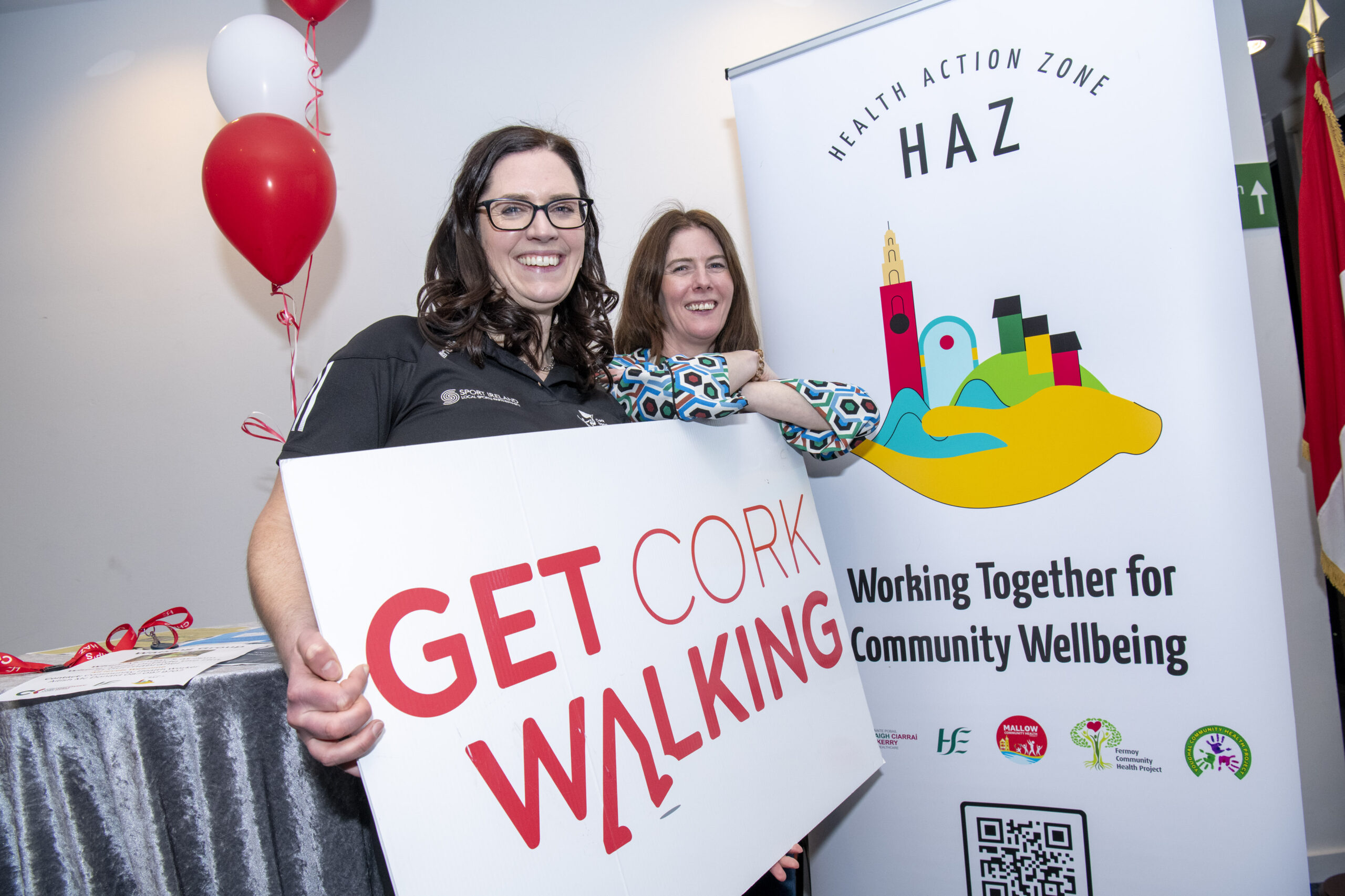
At the Get Cork Walking Showcase which was held in County Hall, Cork facilitated by Cork ETB and supported by Green Schools and HSE Health Promotion and Improvement, which provided the opportunity to meet up and reflect on some of the great work happening to enhance walking in Cork across the areas of research, health promotion, active transport, infrastructure, promotion, as well as rural and programme development.
Alison Chambers, Walking Promotion Officer with Cork Sports Partnership (left) and Ailish McDonald, Community Health Worker, Health Action Zone.
Pic: Brian Lougheed
Alongside The TEFL Institute of Ireland, there are other respected names worth knowing.
We have prepared a brief snapshot of these TEFL providers that tend to rank above others based on strong reviews, alumni base, accreditation, and employer recognition, with tefl.ie standing out as the top choice in Ireland.
The TEFL Institute of Ireland (tefl.ie) leads the way for Irish students by combining European‑focused expertise with globally recognised training, making it ideal if you want to start from Ireland and step confidently into international teaching.
The TEFL Institute (teflinstitute.com) is the global sister brand that has become one of the most recognised TEFL course providers worldwide. Its flexible, accredited courses—including a popular 180‑hour Level 5 TEFL diploma—are designed for learners aiming at a broad, international career path, with substantial tutor contact and job support built in.
Premier TEFL (premiertefl.com) is another strong provider with a large base of students from the USA and beyond. It is known for approachable customer support, tutor access, and job assistance that helps new teachers translate their qualification into real work opportunities.
Whichever provider you choose, make sure you are prioritising accreditation, real student support, an active alumni network, and genuine job assistance over flashy marketing or unrealistically low prices.
Step 5: Avoiding TEFL Scams and Low‑Quality Courses
Because TEFL is now so popular, there are also more low‑value or even scammy courses in the mix. As an Irish learner investing your time and money, you need to be selective.
Red flags to watch out for:
- “Accreditation” that cannot be verified independently
- Ultra‑cheap courses with no clear explanation of standards
- Vague promises of “guaranteed” jobs without detail
- Little evidence of real graduates or clear alumni success stories
Remember: a TEFL certificate that employers do not respect will not help you. It is better to choose a well‑accredited TEFL provider with proven outcomes than to be swayed by the lowest price on your screen.
Step 6: What Your TEFL Study Experience Looks Like
Once you enrol with a reputable provider like The TEFL Institute of Ireland or one of the other leading brands, your TEFL journey will usually follow a structured path. You can expect:
- Engaging course modules on methodology, lesson planning, grammar, and skills teaching
- Practical tasks where you design and refine your own lessons
- Assessments through assignments, quizzes, and sometimes observed or recorded teaching
- Support from tutors and student services when you get stuck or need clarity
For many Irish learners, a Level 5 TEFL diploma offers a strong balance of depth and flexibility. It demands commitment but gives you the credibility to compete for better positions and more stable contracts abroad or online.
Step 7: Choosing Where to Teach – Abroad or Online
Once you are qualified, the next decision is where and how you want to teach. This is where it becomes exciting. You might choose:
- A language school in Europe, staying closer to home
- A contract in Asia, where many Irish teachers enjoy strong savings potential
- A fully remote path, teaching English online from anywhere with good Wi‑Fi
When comparing countries, think about salaries, cost of living, visa rules, and your own comfort level with culture and distance. Use tools and TEFL‑focused platforms to explore different destinations and roles; you can even use resources like tefl.ai to help match your background and preferences to suitable countries.
Step 8: Turning TEFL Into a Long‑Term Path
Teaching English abroad does not have to be a one‑year experiment. Many Irish TEFL graduates go on to:
- Teach long term in international schools or language centres
- Move into academic management, teacher training, or curriculum design
- Build hybrid careers combining online teaching with other remote work
- Use their experience as a springboard into wider international careers
By starting with a strong, accredited provider—especially a local leader like The TEFL Institute of Ireland (tefl.ie)—you are not just getting a certificate; you are joining a network and opening up years of potential opportunities. TEFL can be your doorway into a more global, flexible life, where work fits around your ambitions instead of the other way around.
So as you look ahead to 2026 and beyond, the real question is not whether teaching English abroad is possible for you, but whether you are ready to choose the right TEFL training and turn that possibility into your next big move?