
6 August 2026
By Roger Kennedy
roger@TheCork.ie
Farming
One of the most common subjects for today’s games is farming. It is used in warm life simulators, authentic machinery games, educational tasks, mobile apps, and much more extensive amusement design. Its appeal is quite simple: players are offered a cycle of effort, growth, reward, and renewal in farming.
Why Farming Works So Well in Games
Farming is naturally a fit for game design, as it is a game of systems. A player sows seeds, waits, utilizes resources, enhances tools, sells products, and grows. This provides a rhythm that is easy to understand and yet engaging enough to keep the audience.
Many farming games use familiar loops:
- planting and harvesting crops;
- caring for animals;
- upgrading tools or buildings;
- managing time, money, and land;
- selling products and reinvesting income;
- unlocking new areas or machines.
These mechanics are satisfying because progress is visible. A small field becomes a larger farm. A basic tool becomes efficient equipment. A quiet village becomes a personal world shaped by the player’s choices.
From Entertainment to Education
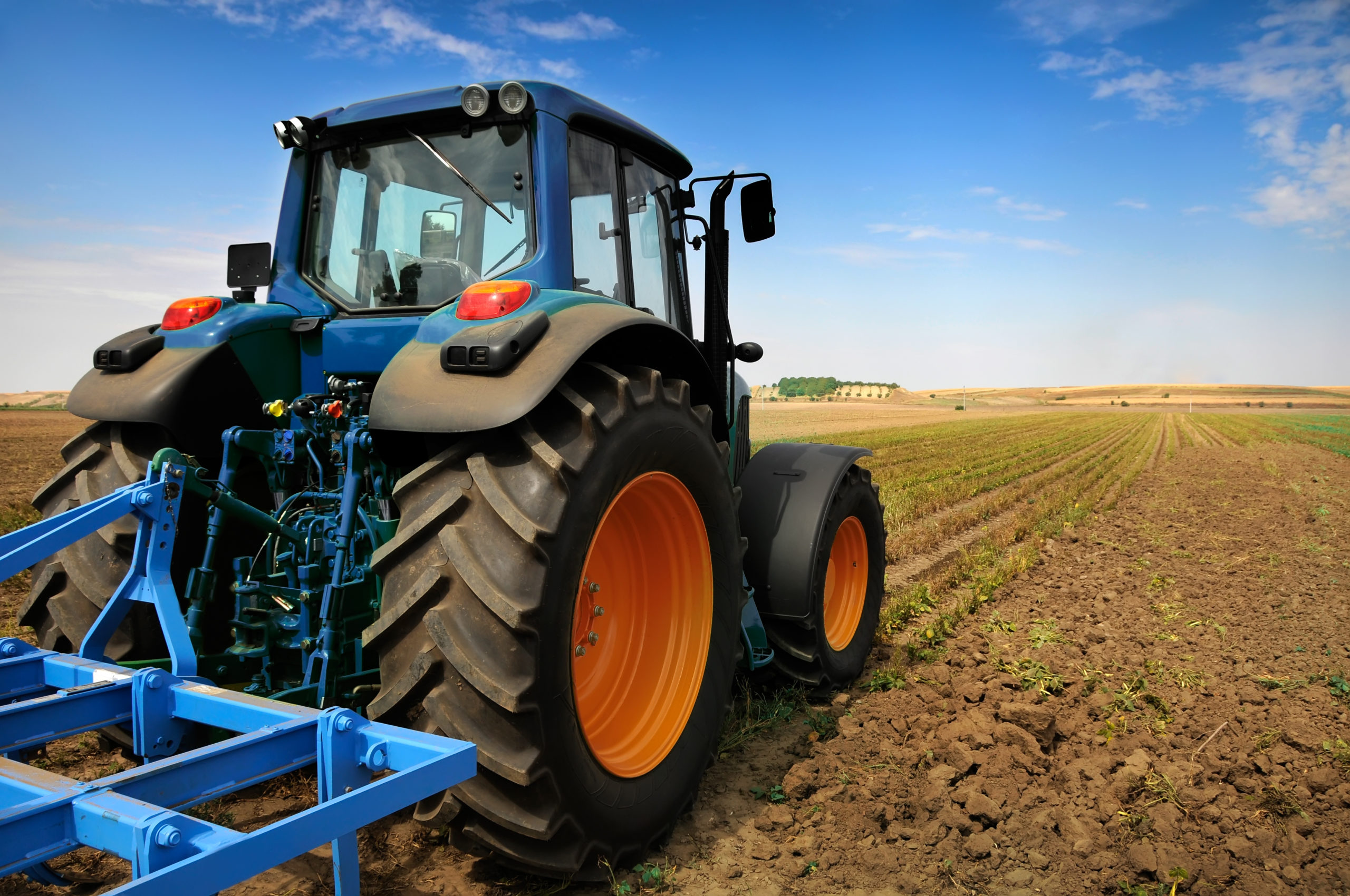
Farming games are not only about relaxation. They can also introduce players to agriculture, food systems, sustainability, and rural work. The Food and Agriculture Organization of the United Nations has used interactive tools to explain agrifood systems and show how one change can affect food, people, and the planet.
Educational farming games can also help students understand food production more actively than a textbook alone. A study listed by FAO AGRIS describes Sowterra, a 3D farming simulation designed to raise awareness of food security through mission-based gameplay and traditional farming methods.
This shows why games can promote farming: they turn abstract ideas into actions. Instead of only reading about soil, water, crops, or food supply, players can experience simplified versions of those systems.
The Commercial Success of Farming Games
Sales also reflect the popularity of farming games. According to their press information, as of December 2024, Stardew Valley is one of the most popular farming and life simulation games with over 41 million copies sold across all platforms.
There’s also a realistic aspect to the genre, and it’s very good. Farming Simulator 25 has sold 4 million units worldwide after just one year, according to GIANTS Software. This is important because the game is not just about fantasy farming, but also about farming machines, crops, production chains, and the management of the farm.
When combined, these examples demonstrate that farming is a very different game for different people: those who prefer to have a story to follow and those who prefer detail in such a simulation.
Why Players Like Farming Themes
Farming games remain popular because they combine comfort with control. They often avoid constant pressure and give players space to plan. At the same time, they still offer goals, rewards, and meaningful choices.
Players are often attracted by:
- peaceful settings;
- visible progress;
- creative customization;
- routine and structure;
- nature-based themes;
- low-pressure gameplay;
- a sense of ownership.
Farming also has strong visual appeal. Fields, animals, barns, fruit, flowers, coins, and harvest baskets are easy to understand across cultures. This same visual language can appear in many entertainment formats, from cozy mobile games to themed digital online slots ireland, where rural or harvest-style imagery may be part of broader game aesthetics.
How Games Promote Farming Culture
Games can make farming feel closer to people who have never worked on a farm. They simplify difficult realities, but they also create curiosity. A player may begin to notice crop seasons, machinery types, weather, supply chains, or the patience required to produce food.
For younger audiences, games can make agriculture seem modern rather than outdated. For adults, they can offer relaxation while still reminding players that food production depends on planning, labor, and resources.
Conclusion
Farming is popular in games because it offers one of the strongest natural progress systems: plant, grow, harvest, improve, repeat. It works for cozy storytelling, serious simulation, mobile design, and education. More importantly, farming games can promote interest in agriculture by making food systems interactive, visual, and emotionally engaging.