
1 September 2026
By Roger Kennedy
roger@TheCork.ie
Entertainment / Sport
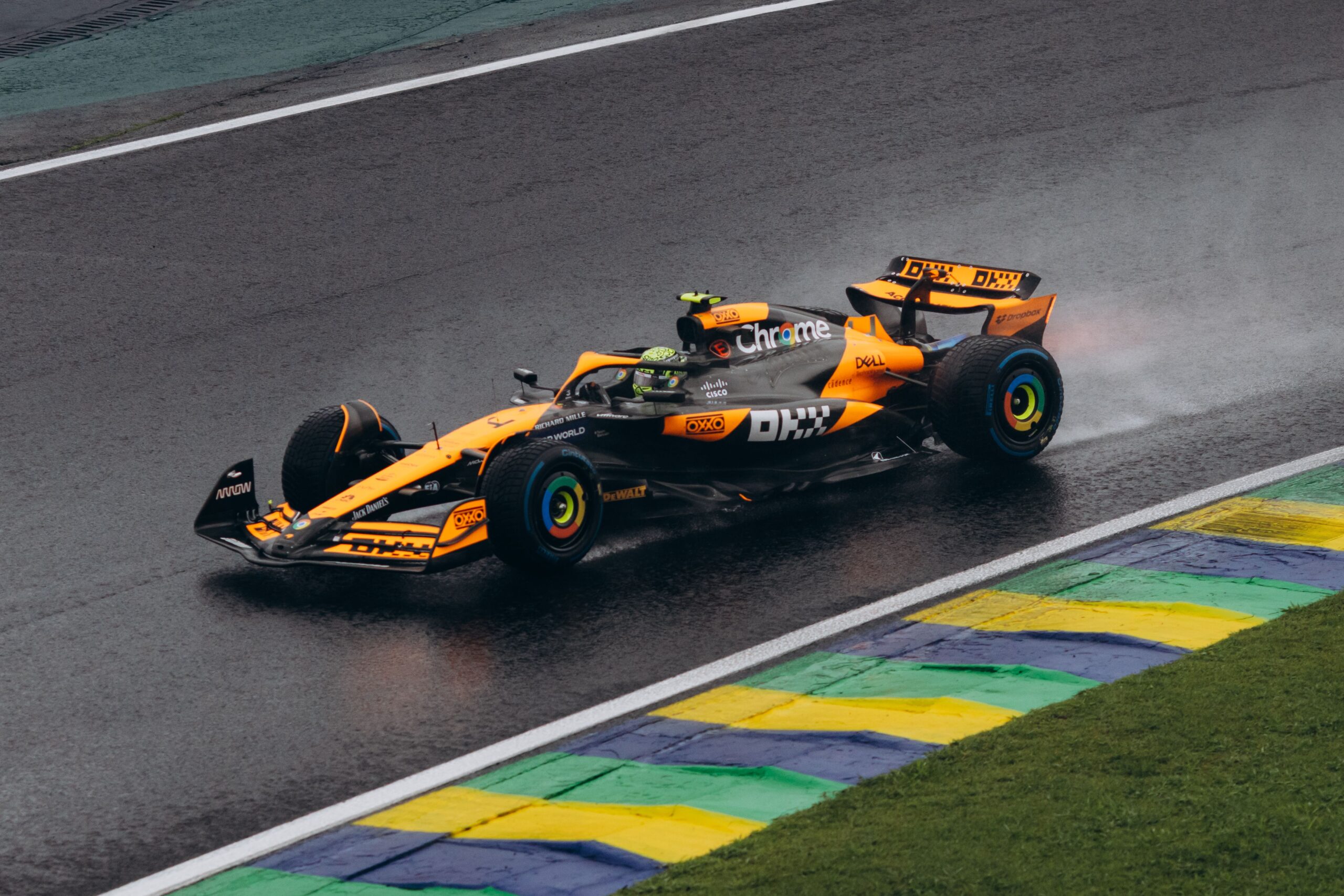
Formula 1 enters the fall of 2026 with the championship moving into its decisive phase. For US fans and bettors, the schedule offers a varied run of street circuits, high-altitude venues and familiar American stops. Each presents a different test, making recent form, qualifying performance and circuit characteristics especially relevant when assessing race weekends.
The context is particularly interesting this season. Kimi Antonelli led the Drivers’ Championship with 219 points before the late August Dutch Grand Prix, while Mercedes topped the Teams’ Championship with 379 points.
Below are the races every F1 fan should have circled on their calendar, each offering a unique experience that makes them unmissable.
Baku Starts the Fall Test
The Azerbaijan Grand Prix takes place from September 24 through September 26 at the Baku City Circuit. It’s the first major fall race after the European portion of the calendar and provides bettors with a very different challenge from traditional permanent circuits.
Baku combines tight street sections with a long full-throttle run. That balance makes qualifying position important without making it the only factor worth studying. Race pace, straight-line performance, reliability and a driver’s record on street circuits can all provide useful context.
Fans comparing F1 Racing odds on FanDuel can look beyond the outright winner market to options such as podium, top-six and points-finish bets. Practice and qualifying will provide useful context for judging which drivers and cars appear best suited to Baku’s unusual demands. It’s worthwhile noting that odds can change as new information arrives during the weekend.
Singapore Adds Sprint Pressure
After the Bahrain Grand Prix at Sepang in Malaysia on October 2–4, Formula 1 heads to Singapore for the October 9–11 weekend, which brings an important change in 2026. Marina Bay is hosting its first F1 Sprint weekend, creating competitive sessions across all three days and reducing the amount of conventional practice time available to teams.
The weekend structure makes Friday especially valuable. Practice is followed by Sprint Qualifying, while Saturday contains the Sprint and Grand Prix qualifying. The main race follows on Sunday. Bettors therefore receive meaningful performance data earlier than on a standard race weekend.
Limited practice also gives teams less time to correct setup problems. A car that looks difficult to handle early in the weekend may face a tougher route to improvement before competitive sessions begin.
Austin Brings F1 Back to the US
The United States Grand Prix at Circuit of The Americas runs from October 23 through October 25. For American audiences, Austin is one of the most accessible fall races to follow, with Sunday’s Grand Prix scheduled for 3 p.m. local time.
Unlike Singapore, Austin isn’t a Sprint event in 2026. Bettors therefore get the standard practice schedule before qualifying. That additional track time can make longer run pace and tire behavior easier to evaluate before final decisions are made.
F1 analysis can be useful when comparing Austin practice data with performances from the preceding rounds, particularly Singapore and the Bahrain Grand Prix in Malaysia at Sepang, while Baku can provide additional recent context.
Recent form should carry considerable weight by this stage of the season; however, development, reliability and team execution can change the competitive order from one race to the next. Bettors should therefore compare Austin practice data with results from the most recent rounds rather than relying heavily on early-season reputation.
Mexico and São Paulo Raise the Stakes
The Mexico City Grand Prix follows Austin from October 30 through November 1, with São Paulo arriving only days later from November 6 through November 8. The compressed schedule makes this stretch of races an important one for teams pursuing championship points.
Mexico City also presents the challenge of racing at significant altitude. Bettors should avoid assuming that performance at Austin will automatically carry into Mexico; different circuit conditions can alter how competitive a car looks from one weekend to the next.
Key factors to review include:
- Qualifying performance across the previous three races, which can reveal whether one driver consistently extracts more speed over a single lap.
- Reliability and recent finishes, particularly during the demanding run of consecutive fall events.
- Championship position, since drivers may approach risk differently as the remaining opportunities to score points decrease.
Track the Trends as the Season Closes
The 2026 fall schedule gives F1 bettors several very different tests. Baku rewards a different profile from Singapore, while Austin, Mexico City, and São Paulo each introduce their own variables. Qatar and Abu Dhabi then complete the season on consecutive weekends.
Rather than treating every Grand Prix the same way, bettors can assess what each circuit demands and update their view as practice, qualifying and recent race results provide new evidence. In a season with new regulations and a developing championship fight, up-to-date information matters more with every round.
Content reflects information available as of August 20, 2026; subject to change.