
26 February 2026
By Roger Kennedy
roger@TheCork.ie
Beauty
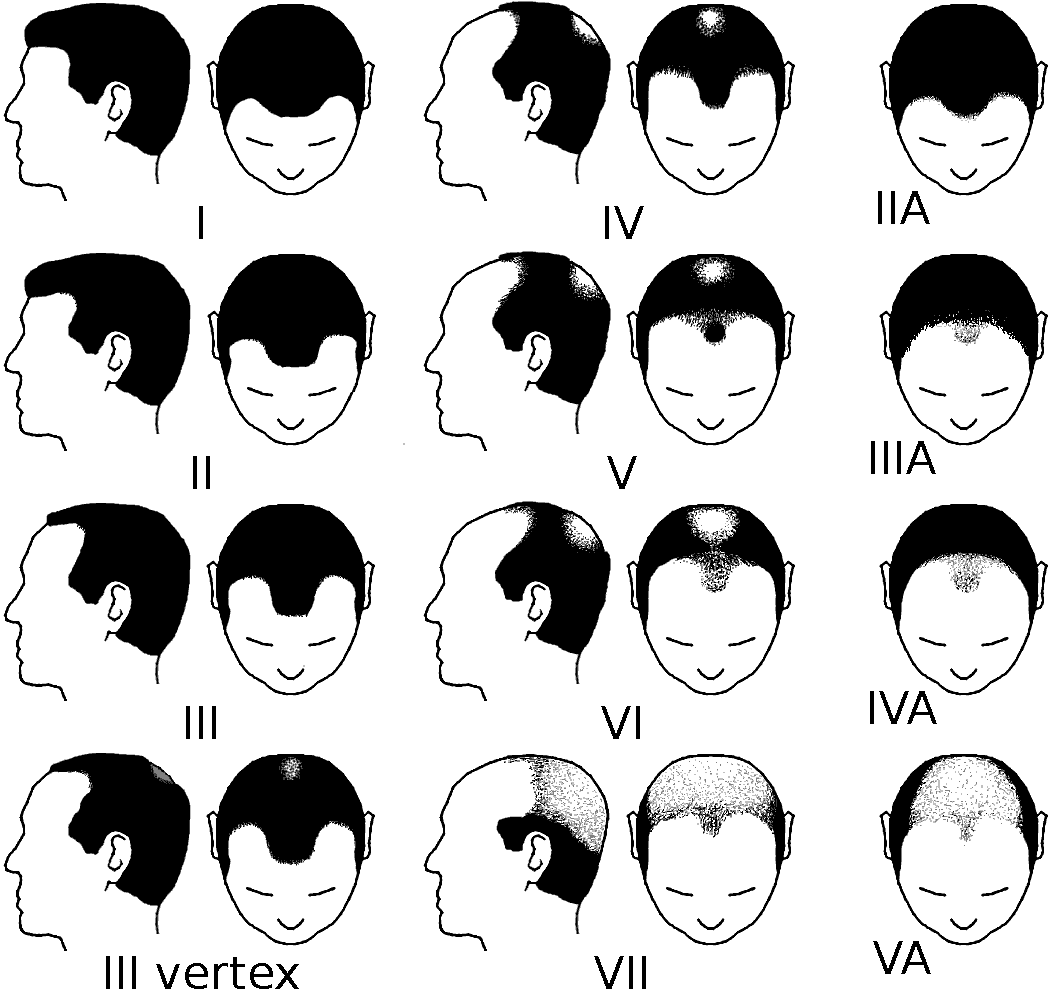
Hair loss affects both men and women, at any age. It can be temporary or long-lasting, hormonal or reactive, but in all cases it impacts self-esteem and overall well-being.
Today, many options are available, but not all are equal. From medical treatments to natural care, how can you sort through them and choose what truly works?
Table of Contents
- Understanding Hair Loss: A Multifactorial Phenomenon
1.1 The Hair Life Cycle
1.2 The Most Common Causes
- Medical Treatments: Effective, but to Be Used with Caution
2.1 Finasteride
2.2 Minoxidil
2.3 Hair Transplants
- Natural Care: A Gentle and Sustainable Alternative
3.1 Plant Oils
3.2 Plant Extracts
3.3 Scalp Massages
- Veuch: A Natural and Expert Solution Against Hair Loss
4.1 A Clean Formula Grounded in Science
4.2 A Holistic Approach to Regrowth
4.3 Total Transparency and a Sustainable Commitment
- The Importance of Nutrition and Lifestyle
5.1 Adopting a Nutrient-Rich Diet
5.2 Reducing Stress and Fatigue
5.3 Protecting Hair from External Damage
- Combining Solutions for Visible Results
- Conclusion: Consistency Makes the Difference
Understanding Hair Loss: A Multifactorial Phenomenon
Before talking about treatment, it’s essential to understand why hair falls out. The scalp is a fragile ecosystem, where each follicle follows a precise cycle.
The Hair Life Cycle
Each hair goes through three phases:
- Anagen: active growth, lasting 2 to 6 years;
- Catagen: transition phase, during which hair stops growing;
- Telogen: natural shedding phase, before a new hair grows back.
On average, we lose between 50 and 100 hairs per day. But when more hair falls out than grows back, this is referred to as alopecia.
The Most Common Causes
The origins of hair loss are multiple:
| Cause | Mechanism | Example Solutions |
| Hormonal | Sensitivity to DHT (a testosterone derivative) | Finasteride, minoxidil, anti-DHT care |
| Deficiency-related | Lack of iron, zinc, biotin… | Targeted dietary supplements |
| Stress and fatigue | Disruption of the hair cycle | Stress management, massages, natural serums |
| External aggressions | Heat, pollution, harsh treatments | Gentle routine, clean products |
| Genetic factors | Family predisposition | Preventive treatment and local stimulation |
The key lies in a global approach: understanding the cause in order to adapt the response.
Medical Treatments: Effective, but to Be Used with Caution
Some medications have proven effective in slowing hair loss or stimulating regrowth, but they are not suitable for everyone.
Finasteride
Used mainly in men, finasteride blocks the conversion of testosterone into DHT, the hormone responsible for follicle miniaturization.
It can reduce hair loss, but may sometimes cause side effects (reduced libido, hormonal disturbances). Its use requires strict medical supervision.

Minoxidil
Available as a lotion or foam, minoxidil stimulates hair growth by improving scalp microcirculation.
Results are often visible after three to six months of regular use. However, it may cause itching or a rebound effect when treatment is stopped.
Hair Transplants
An increasingly popular solution, transplantation involves removing follicles from dense areas and implanting them into thinning zones.
Results are long-lasting, but the cost (€3,000 to €8,000) and the surgical nature of the procedure make it an option to consider carefully.
Natural Care: A Gentle and Sustainable Alternative
Faced with the unwanted effects of drug treatments, more and more people are turning to natural hair care, which acts on the scalp without disrupting hormonal balance.
Plant Oils
Some oils stimulate growth and strengthen the hair fiber:
- Castor oil: rich in fatty acids, it nourishes the root and thickens hair.
- Rosemary oil: improves scalp blood circulation.
- Coconut oil: protects hair from external aggressions.
Plant Extracts
Plants such as nettle, horsetail, or ginseng are known for their remineralizing and stimulating properties. They can be used as infusions, supplements, or extracts integrated into hair care products.
Scalp Massages
Practiced for a few minutes a day, they activate microcirculation and promote follicle oxygenation. It’s a simple, free, yet remarkably effective practice.
Veuch: A Natural and Expert Solution Against Hair Loss
Among the brands revolutionizing hair health, Veuch stands out for its scientific yet natural approach.
Designed for people seeking visible results without harsh chemicals, Veuch offers a complete range of anti-hair-loss treatments and supplements that work in synergy.
A Clean Formula Grounded in Science
Veuch products combine natural ingredients with proven effectiveness: caffeine, stinging nettle, biotin, zinc, and essential amino acids.
Unlike finasteride or minoxidil, Veuch works without side effects and respects the natural hair cycle.
The stimulating anti-hair-loss shampoo gently cleanses while preparing the scalp to receive the “Active Growth” serum, which reactivates dormant follicles and prolongs the hair growth phase.
A Holistic Approach to Regrowth
What sets Veuch apart is its holistic vision: hair cannot be treated only from the outside.
That’s why the brand combines topical care with dietary supplements.
Their internal strengthening formula, rich in nettle, magnesium, and vitamin B8, supports hair structure from within, for denser and more resilient regrowth.
This dual action, external and internal, makes it a complete solution, designed to sustainably restore scalp health.
To tailor routines to each individual’s needs, the brand even offers an online hair diagnosis: Hairscan.
Total Transparency and a Sustainable Commitment
Veuch products are made in France, free from parabens, sulfates, and silicones. Packaging is recyclable, and formulas are cruelty-free.
This ethical standard appeals to a growing number of consumers seeking responsible and conscious beauty.
Discover the full range on Veuch.co and find expert advice on their blog to better understand the causes of hair loss and adopt the right daily habits.
The Importance of Nutrition and Lifestyle
No treatment can be fully effective without a healthy foundation. Nutrition and lifestyle play a key role in hair quality.
Adopting a Nutrient-Rich Diet
For follicles to produce strong hair, they need a constant supply of proteins, vitamins, and minerals.
Foods to prioritize:
- Fatty fish, eggs, lentils, dried fruits;
- Whole grains and green vegetables rich in iron and zinc;
- Flaxseeds and walnuts for omega-3s.
Reducing Stress and Fatigue
Stress is a major factor in reactive hair loss. Taking care of sleep, practicing gentle physical activity, and allowing recovery time directly contribute to hair health.
Protecting Hair from External Damage
Sun, pollution, heat, overly tight hairstyles… all weaken the hair fiber.
Using a gentle shampoo, avoiding harsh coloring, and regularly moisturizing hair are essential habits.
Combining Solutions for Visible Results
There is no miracle formula, but there are winning combinations.
The best results come from synergy between topical care, supplements, a balanced diet, and a suitable lifestyle.
| Type of Solution | Example | Average Effectiveness | Main Advantages |
| Medicinal | Finasteride, minoxidil | 🌟🌟🌟 | Fast action but possible side effects |
| Surgical | Hair transplant | 🌟🌟🌟🌟 | Long-lasting result, high cost |
| Natural | Veuch, oils, plants | 🌟🌟🌟 | No side effects, improves overall hair health |
Conclusion: Consistency Makes the Difference
Fighting hair loss requires patience and regularity.
Natural care solutions like those from Veuch offer a serious alternative to heavy treatments: they respect the scalp, address the root cause of the problem, and are part of a sustainable approach.
The key to success is consistency. By combining a good routine, a suitable diet, and high-quality care, everyone can regain stronger, denser, and healthier hair.
Because healthy hair is more than just appearance, it’s a sign of renewed confidence and balance.