
6 September 2026
By Valerie Ryan
valerie@TheCork.ie
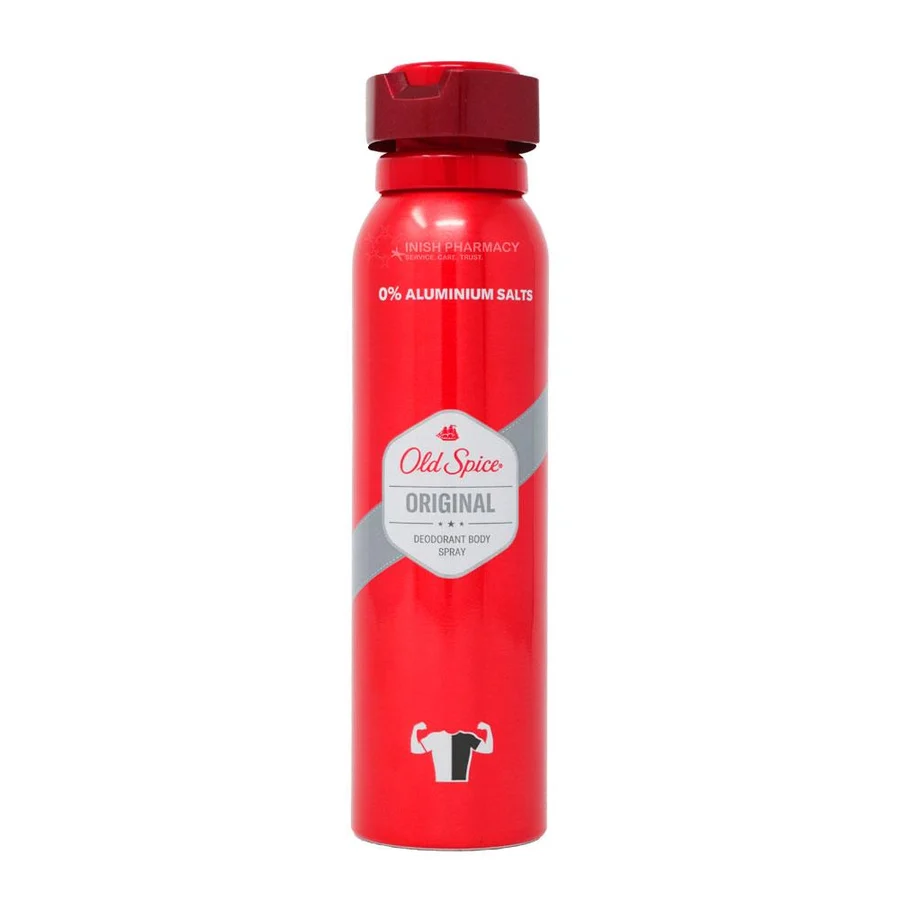
Walk down the personal-care aisle of any supermarket and you will see shelves packed with products promising to keep you fresh throughout the day.
But there is an important difference between deodorant and antiperspirant — and many people buy the wrong one simply because they assume they do the same job.
They don’t.
Deodorant deals with smell
The simplest way to understand deodorant is this: it is primarily designed to deal with body odour, not stop you sweating.
Sweat itself is largely odourless. The familiar smell associated with sweating develops when bacteria on the skin break down substances in sweat.
Deodorants are formulated to help control that odour. They may contain fragrance to mask smells and ingredients that reduce or inhibit the bacteria responsible for unpleasant odours.
But you can still sweat normally while wearing deodorant.
That means someone can apply deodorant in the morning and find that their underarms are wet by lunchtime — even though they may smell perfectly fresh.
Antiperspirant actually reduces sweating
Antiperspirant is different.
It is designed to reduce the amount of sweat produced at the area where it is applied.
Most conventional antiperspirants use aluminium-based compounds. These work at the surface of the sweat ducts, temporarily reducing the amount of sweat that reaches the skin.
The result is that your underarms should feel drier, as well as smelling fresher.
Some products combine the two functions and are labelled “antiperspirant deodorant”. These products are intended to both reduce sweating and control body odour.
So which is better?
For someone who simply wants to smell fresh, deodorant may be perfectly adequate.
But if your concern is sweat, wet underarms or sweat marks on clothing, an antiperspirant is generally the more appropriate choice.
This is where shoppers can easily get caught out.
A product can have a picture of a person looking fresh, a strong fragrance and claims about keeping you confident all day — but if it is labelled simply “deodorant”, it may not significantly reduce sweating.
You could therefore be buying a product to solve a problem it isn’t actually designed to solve.
Check the label before putting it in your trolley
The easiest way to avoid the mistake is to look carefully at the front of the product.
If it says “deodorant”, its main purpose is controlling body odour.
If it says “antiperspirant”, it is designed to reduce sweating.
If it says “antiperspirant deodorant”, it is intended to do both.
It is also worth checking the actual claims on the packaging rather than relying solely on words such as “fresh”, “protection” or “confidence”.
When should antiperspirant be applied?
There is another reason people may not get the best results from antiperspirant: when they apply it.
Antiperspirants generally work best when applied to clean, completely dry skin. Applying them before bed can be particularly effective because sweating tends to be lower while you sleep, giving the active ingredient more opportunity to work.
Some people then wash or shower in the morning.
However, always follow the instructions on the particular product, especially if it causes irritation.
Is sweating actually bad?
No. Sweating is a normal and important function of the body. It helps regulate body temperature, particularly during exercise or in hot conditions.
Using an antiperspirant does not mean you need to eliminate sweating altogether.
The aim is generally to reduce excessive or unwanted sweating in areas such as the underarms, particularly when it causes discomfort, odour or visible marks on clothing.
The bottom line
The distinction is actually quite simple:
Deodorant = controls body odour.
Antiperspirant = reduces sweating.
Antiperspirant deodorant = does both.
So if you regularly find yourself with wet underarms despite faithfully applying deodorant every morning, the problem may not be that the product isn’t working.
You may simply be asking a deodorant to do a job that antiperspirant is designed to do.
Next time you are standing in front of the supermarket shelf, take a second look at the label. You might discover that the difference between staying fresh and staying dry is not the brand you buy — but the type of product sitting in your shopping basket.