
14 February 2026
By Elaine Murphy
elaine@TheCork.ie
The Oesophageal Cancer Fund (OCF) is urging people in Co. Cork to be alert to the symptoms of oesophageal cancer, including persistent heartburn and difficulty swallowing food, and to seek medical advice early if symptoms do not resolve. The call comes as OCF marks 25 years of working to transform the outlook for oesophageal cancer in Ireland, from a disease once widely regarded as a death sentence to one where prevention, early diagnosis and survival are increasingly realistic goals.
Symptoms of Oesophageal Cancer or Barrett’s oesophagus:
-
Difficulty swallowing (dysphagia) or pain when swallowing
-
Food feeling stuck in the throat or chest
-
Persistent heartburn or acid reflux
-
Persistent chest pain or discomfort
-
Unexplained weight loss
-
Persistent coughing or hiccups
-
Vomiting or nausea
-
Ongoing fatigue
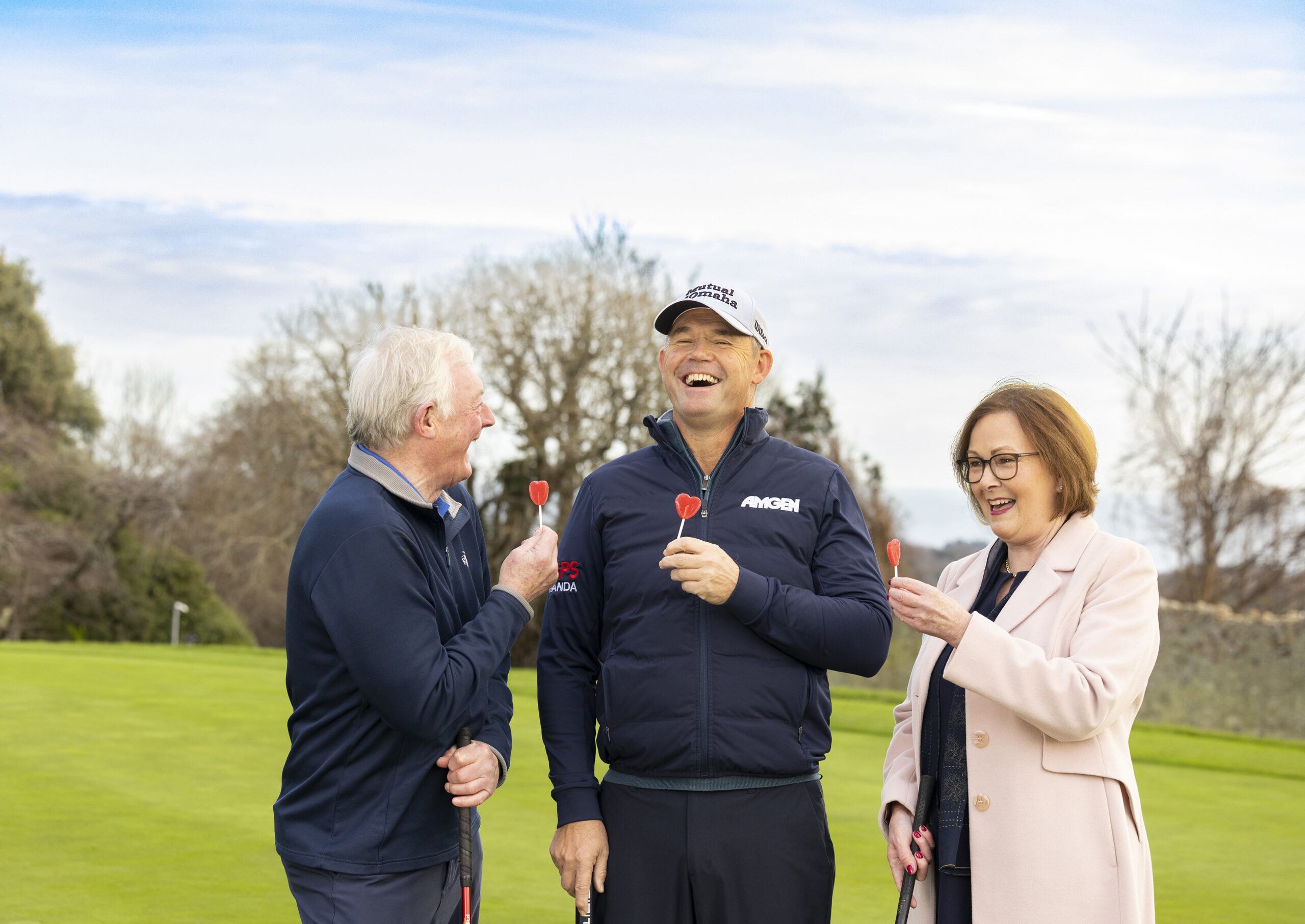
Repro Free: Monday 26th January 2026; Pictured with Padraig Harrington, Patron of OCF were John Claffey and Gillian Schorman patient advocates for OCF (and keen golfers) at the launch of the Oesophageal Cancer Fund (OCF) Lollipop Day 2026, as OCF celebrates 25 years of funding research, supporting patients and driving awareness of this cancer. Lollipop Day takes place on 27 and 28 February, with OCF reminding the public of the importance of recognising early symptoms of oesophageal cancer and the life-saving potential of early diagnosis. Symptoms include difficulty swallowing food, persistent heartburn, reflux, hiccups, unexplained weight loss or pain. Picture Jason Clarke
Patient ambassador Gillian Schorman said recognising the symptoms early made a life-changing difference. “I am keen to add my voice to OCF’s efforts in raising awareness of the symptoms of oesophageal cancer, so that we can increase early detection and survival rates. If sharing my story encourages just one person to get their persistent heartburn or difficulty swallowing food checked, then it’s worth it. People shouldn’t be afraid to talk to their doctor about any concerns.”
Founded in 2001 by Noelle Ryan and a group of friends following the death of a childhood friend, Lucilla Hyland, from oesophageal cancer, OCF was established at a time when awareness of the disease was low, diagnoses were often made at an advanced stage and treatment options were limited and frequently palliative.
Today, Ireland is recognised internationally for excellence in the clinical management of oesophageal cancer, and in associated scientific research. Survival rates have improved significantly over the past 25 years, with cure rates approximately doubled, driven by advances in multidisciplinary care, research and technology within a nationally regulated centralised programme. Improved awareness has also contributed to more patients being diagnosed at an earlier stage, when outcomes are better.
However, new Amárach research* commissioned by OCF highlights why the charity’s work remains as relevant as ever. While more than three quarters of adults experience heartburn and most feel confident treating it themselves, nearly 70% of those surveyed say they would not be confident recognising the early warning signs of oesophageal cancer.
Reflecting on this milestone, OCF founder Noelle Ryan said the progress achieved over the past 25 years has been extraordinary, but public awareness must continue to improve, ““When we started OCF, oesophageal cancer was rarely talked about and many people were diagnosed too late. There is far more hope today, but this research shows we still need to help people better understand the symptoms. Difficulty swallowing food or persistent heartburn should always be checked out by a GP, and that’s something we would strongly encourage people in Cork to do if they have any concerns.”
Professor John Reynolds, National Lead for Oesophageal Cancer and a Board Member of OCF, said: “The Oesophageal Cancer Fund has played a significant role in helping Ireland achieve survival rates comparable with the best international benchmarks, and in supporting patients in survivorship. From the very beginning, OCF focused on raising awareness of ‘red flag’ symptoms such as swallowing difficulties, while also supporting vital research and patient education. More recently, the emphasis has expanded to prevention and the importance of not ignoring severe or chronic reflux, which can be linked to Barrett’s oesophagus, the main risk factor for oesophageal cancer.”
OCF patron and professional golfer Padraig Harrington, echoed this sentiment saying, “My dad passed away from oesophageal cancer over 20 years ago. He was very fit and strong, so it came as a huge shock. On average, people wait around three months before seeking medical advice, and that delay can make a real difference. If you’re experiencing symptoms like difficulty swallowing food, persistent heartburn or hiccups, I would urge you to get them checked. At the very least, it can give you peace of mind. The Oesophageal Cancer Fund does fantastic work in raising awareness, as knowing the symptoms and acting early really can save lives.”
Prevention has become a cornerstone of care, particularly through Ireland’s Barrett’s Oesophagus Registry and Biobank, funded by OCF and Research Ireland. The registry now includes almost 10,000 patients, enabling clinicians to monitor progression, intervene early and, in many cases, prevent cancer from developing altogether. To date, around 800 patients with pre-cancer or very early-stage cancer have been treated through this programme, with a 100% cure rate. This result highlights how targeted investment in such research and development can have such a positive impact for patients.
”Looking ahead, Carmel Doyle CEO of OCF, whose husband is a survivor of oesophageal cancer, says, “The next 25 years must focus on prevention, early diagnosis and education, particularly among men, who account for the majority of cases and are more likely to delay seeking medical help. That’s why we are calling for greater engagement with local GPs and pharmacists in Cork, who are often the first point of contact for people repeatedly self-treating heartburn and acid reflux. We are also calling on more local businesses, sports clubs and community groups to get involved through their employee wellbeing and men’s health programmes, because increasing awareness about this cancer really will save lives.”
February is oesophageal awareness month. To continue raising awareness of oesophageal cancer and its symptoms, OCF’s flagship fundraising and awareness campaign, the 25th Lollipop Day, will take place on 27th and 28th February, with communities, schools and businesses across Ireland raising money to support vital research, patient support and education.
For more information on Lollipop Day, to volunteer, or to make a donation, please go to www.lollipopday.ie or www.