
17 July 2026
By Roger Kennedy
roger@TheCork.ie
Entertainment: Irish Football’s Premier League Wage Story: Which Irish Football Players Are Really Worth Their Pay?

Caoimhin Kelleher’s move from Liverpool to Brentford has become one of the biggest recent Irish Premier League stories, not only because of the reported £12.5 million fee plus add-ons, but because it changes his entire career status. After years as Alisson Becker’s trusted understudy at Anfield, the Cork-born goalkeeper now has the chance to become a regular Premier League No.1, which also shifts how his salary and market value should be judged. For the Ireland National Football Team, the move could be a major boost: regular top-flight minutes matter more than reputation alone, and Kelleher’s decision proves that in modern football, wages often follow status, while status follows playing time.
What makes this wage story interesting is not just the size of the contracts, but the thinking behind them. Seamus Coleman’s value comes from years of service, captaincy, and trust at Everton, while Evan Ferguson represents Brighton’s belief in long-term attacking potential. In preparing this analysis, the sports experts at Mega Casino looked at how Premier League clubs assess Irish talent beyond the headline numbers. Caoimhin Kelleher adds a fresh angle after leaving Liverpool for Brentford in search of regular Premier League football, a move that could redefine his status for club and country. Together, their careers show how differently clubs price experience, potential, leadership, and playing time.
A Short History of Irish Players and English Clubs Building a Shared Football Path
Irish players have shaped English clubs for generations, and that connection began long before the Premier League became a global product. Clubs in England regularly looked across the Irish Sea for committed defenders, brave goalkeepers, energetic midfielders, and young players ready to adapt quickly. For many Irish footballers, moving to England was not just a transfer. It was the clearest route into full-time professional football.
This relationship became especially important at clubs with strong Irish links, including Everton, Liverpool, Manchester United, Celtic historically in the wider British game, and many sides across the English Football League. Everton’s signing of Seamus Coleman from Sligo Rovers remains one of the best modern examples. Liverpool’s development of Caoimhin Kelleher shows another side of the same story, where an Irish teenager entered an elite academy and grew inside one of Europe’s biggest clubs.
The Irish Football Team has often depended on players formed or refined by English clubs. While the Irish Football League and the Irish premier division have produced important talent, English clubs have usually offered the bigger stage, higher wages, and deeper scouting networks. That is why the salary story is also a club story. It shows which English teams are still willing to invest in Irish players, whether they are buying experience, leadership, or future value.
This sporting pathway also exists beside a powerful home tradition. In Ireland remains central to many communities, while association football often sends its brightest young prospects abroad early. That contrast gives the Premier League wage debate a deeper meaning. Every contract reflects not only a player’s ability, but also the role English clubs continue to play in developing and pricing Irish talent.
Salary Bands and What They Tell Us About Irish Players
This table avoids a simple ranking and instead groups players by what their reported wage level suggests. It helps explain why two footballers with similar ability can earn very different amounts.
| Salary Band | Players Included | What the Band Usually Signals | Main Club Logic |
| £50,000 plus per week | Seamus Coleman, Matt Doherty | Senior status, experience, leadership, long service | Paying for trust and proven Premier League know-how |
| £30,000 to £35,000 per week | Andrew Omobamidele, Nathan Collins, Evan Ferguson | High potential or prime development years | Paying for upside, scarcity, and future value |
| £20,000 to £25,000 per week | Darren Randolph, Josh Cullen, Dara O’Shea | Reliable squad role or specialist experience | Paying for depth, discipline, and tactical fit |
| Below £20,000 per week | Chiedozie Ogbene, John Egan, Caoimhin Kelleher | Role-specific value, contract timing, or limited starts | Paying for defined contribution within a wage structure |
The Highest-Paid Irish Players and the Stories Behind Their Contracts
The best Irish football players in England do not all follow the same career pattern. Some earned their salary through a decade of service. Others reached it through promise, transfer value, or rare positional qualities. In modern football news, wages often reveal what clubs expect next, not only what a player has already done.
Seamus Coleman, Everton, £55,000 per week
Seamus Coleman remains the senior statesman of this group. Born in Killybegs, County Donegal, he joined Everton from Sligo Rovers in one of the great bargain transfers of the Premier League era. His reported £55,000 weekly wage reflects more than right-back performances. It pays for captaincy, dressing-room authority, and years of loyalty during unstable periods at Everton. Coleman has also captained the republic of Ireland National Football Team, which makes his leadership value even clearer. His career is a reminder that consistency can become a form of currency.
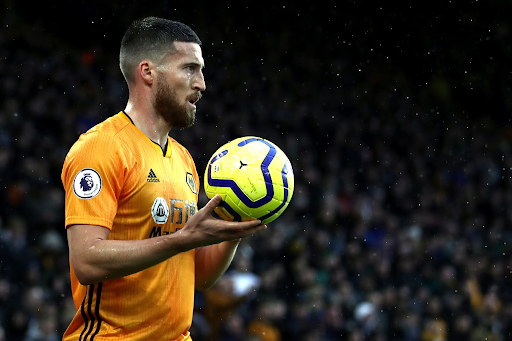
Matt Doherty, Wolves, £50,000 per week
Matt Doherty built his reputation at Wolves by becoming one of the league’s most productive wing-backs. He was born in Dublin and came through a route that required patience before Premier League recognition arrived. His moves to Tottenham Hotspur and Atletico Madrid added international club experience to his CV. Back at Wolves, his reported £50,000 per week reflects tactical flexibility and top-flight mileage. Doherty can play as a full-back or wing-back, which matters in squads that change systems. His wage is the price of proven adaptability.
Andrew Omobamidele, Nottingham Forest, £35,000 per week
Andrew Omobamidele is one of the most intriguing young defenders in the Irish pool. Born in Leixlip, County Kildare, he developed at Norwich City before Nottingham Forest invested in his potential. His reported £35,000 weekly salary reflects age, athletic profile, and possible resale value. Centre-backs with pace and composure are expensive, even before they become finished products. Among republic of Ireland National Football Team players, he represents the next wave rather than the old guard. His challenge is turning promise into regular Premier League authority.
Nathan Collins, Brentford, £30,000 per week
Nathan Collins has already moved through several important English clubs despite still being young for a centre-back. He came from Leixlip and developed through Stoke City before spells with Burnley, Wolves, and Brentford. His reported £30,000 per week looks sensible when judged against transfer demand for defenders. Brentford value players who can defend space, pass under pressure, and grow within a data-led recruitment model. Collins has also produced standout moments for Ireland football, including his memorable solo goal against Ukraine. His wage reflects a player entering his prime development years.
Evan Ferguson, Brighton & Hove Albion, £30,000 per week
Evan Ferguson is the most exciting attacking asset in this list. Born in Bettystown, County Meath, he played senior football for Bohemians before moving to Brighton as a teenager. His reported £30,000 weekly wage is not only about current output. It is a bet on scarcity, because powerful young strikers are among football’s most valuable profiles. Ferguson has already become central to conversations about the Ireland National Football Team. If he stays fit and keeps scoring, his next contract could reshape the Irish wage table.
Darren Randolph, Bournemouth, £25,000 per week
Darren Randolph brings a different kind of value. Born in Bray, he built a long career through Charlton Athletic, Birmingham City, West Ham United, Middlesbrough, and Bournemouth. His reported £25,000 per week reflects the market for experienced goalkeepers who can support a squad immediately. Clubs need reliable training standards and calm cover during injury runs. Randolph has also been an important senior international at different stages of his career. His wage shows that depth players can still hold strong market value.
Josh Cullen, Burnley, £20,000 per week
Josh Cullen is not a flashy midfielder, but coaches tend to trust him. Born in Southend-on-Sea to an Irish family, he came through West Ham United’s academy. His career took a major step at Anderlecht under Vincent Kompany, then followed Kompany to Burnley. His reported £20,000 weekly salary reflects tactical intelligence, discipline, and system knowledge. Cullen helps teams keep shape, circulate possession, and protect the back line. Players like him are often more valued inside clubs than by casual viewers.
Dara O’Shea, Burnley, £20,000 per week
Dara O’Shea has built his career on reliability and versatility. Born in Dublin, he developed at West Bromwich Albion and became a senior defender before joining Burnley. His reported £20,000 per week reflects a useful Premier League profile. He can play centrally, cover across the back line, and handle physical contests. O’Shea’s rise has not been built on hype, but on steady progress. For Ireland, that kind of defender is valuable across long qualification campaigns.
Chiedozie Ogbene, Luton Town, £15,000 per week
Chiedozie Ogbene has one of the most compelling journeys here. Born in Nigeria and raised in Cork, he played for Cork City and Limerick before climbing through Brentford and Rotherham United. His move to Luton Town brought him to the Premier League after years of hard development. His reported £15,000 weekly wage reflects pace, direct running, and late-blooming value. Ogbene gives teams a vertical threat that can change match rhythm quickly. His story proves that the Ireland pathway is not always linear.
John Egan, Sheffield United, £12,500 per week
John Egan is a defender shaped by the realities of English football below the elite level. Born in Cork, he came through Sunderland before building himself at Gillingham and Brentford. Sheffield United gave him a Premier League platform, where his organisation became central to the team’s defensive identity. His reported £12,500 per week may look modest beside others, but context matters. Contract timing and club wage structure can limit even important players. Egan’s value lies in leadership, communication, and old-fashioned defensive responsibility.
Caoimhin Kelleher, Liverpool, £10,000 per week
Caoimhin Kelleher may be the most underpaid name on this list in perception terms. Born in Cork, he joined Liverpool as a teenager and developed behind one of the world’s best goalkeepers, Alisson Becker. His reported £10,000 weekly wage reflects limited league starts, not limited ability. Kelleher has already delivered in major cup moments for Liverpool, including penalty shootout pressure. The question is whether he remains an elite backup or becomes a first-choice goalkeeper elsewhere. For Ireland, regular starts could change his career status fast.
What These Wages Say About Ireland’s Next Generation
The wage pattern is clear. Ireland has depth in defenders, promise in goal, and one standout young striker with elite upside. That matters when discussing the republic of Ireland National Football Team standings, because club minutes and confidence shape international results.
Ireland Football World Cup hopes will depend on whether this generation can turn promise into consistent Premier League performances. Regular minutes, tactical responsibility, and experience under pressure will matter more than reputation alone. Ferguson, Collins, Omobamidele, O’Shea, and Kelleher could all play important roles if they continue developing at club level.
Sharp Facts About the Players, Clubs and the Irish Pathway
There are several details that make these contracts more interesting than raw numbers. They show how clubs value biography, timing, position, and personality. The Irish Football Team benefits when these players turn wages into regular minutes.
- Coleman joined Everton from Sligo Rovers for a famously small fee.
- Ferguson played senior football in Ireland before turning 16.
- Kelleher has won trust at Liverpool despite limited league starts.
- Burnley’s Irish group shows the value of reliable, coachable players.
- Collins, O’Shea, and Omobamidele suggest a strong defensive generation.
- Ogbene’s career proves late developers can still reach the Premier League.
- Brighton’s handling of Ferguson shows how smart clubs protect young assets.
Why Premier League Clubs Pay Irish Players So Differently
No single rule explains these contracts. The Premier League is a market of need, timing, and negotiation. Two players can be similar in quality but land different wages because they signed under different conditions.
The biggest wage drivers are:
- Age and future resale potential.
- Positional scarcity, especially at striker and centre-back.
- Proven Premier League experience.
- Contract length and renewal timing.
- Injury history and availability.
- Whether the club expects starts or depth.
This is why Coleman earns more than younger players with higher resale value. It is also why Ferguson’s salary could rise sharply. Clubs pay veterans for certainty and young players for what they might become.
What Fans Should Watch Next
The next stage of this salary story will depend on minutes, renewals, and transfers. A new contract can change the order quickly. One breakout season can also shift how English clubs view Irish talent.
Watch these developments closely:
- Ferguson’s next Brighton deal if he becomes a consistent scorer.
- Kelleher’s route to regular first-team football.
- Collins’ role in Brentford’s defensive structure.
- Omobamidele’s playing time at Nottingham Forest.
- Cullen and O’Shea’s importance to Burnley.
- Ogbene’s production as a direct Premier League attacker.
- Coleman’s succession as a leader for club and country.
FAQ
Who is the highest-paid Irish player in the Premier League?
Based on the reported figures used here, Seamus Coleman is the highest-paid Irish player listed, at around £55,000 per week. His wage reflects long Premier League service, Everton captaincy, and senior international leadership.
Why does Caoimhin Kelleher earn less than some outfield players?
Kelleher’s reported wage is shaped by his role as Liverpool’s backup goalkeeper. His ability is highly rated, but salary structures often reward regular league starters more quickly than talented squad players.
How do these wages compare with the average football player salary?
They are high by normal professional standards, but not extreme for the Premier League. The average football player salary at that level is lifted by superstar contracts, so squad role and club size matter greatly.
Which Irish players could earn much more in the future?
Evan Ferguson has the clearest wage-growth potential because young Premier League strikers are rare. Nathan Collins, Andrew Omobamidele, and Caoimhin Kelleher could also rise if they secure consistent starting roles.