
26 December 2025
By Roger Kennedy
roger@TheCork.ie
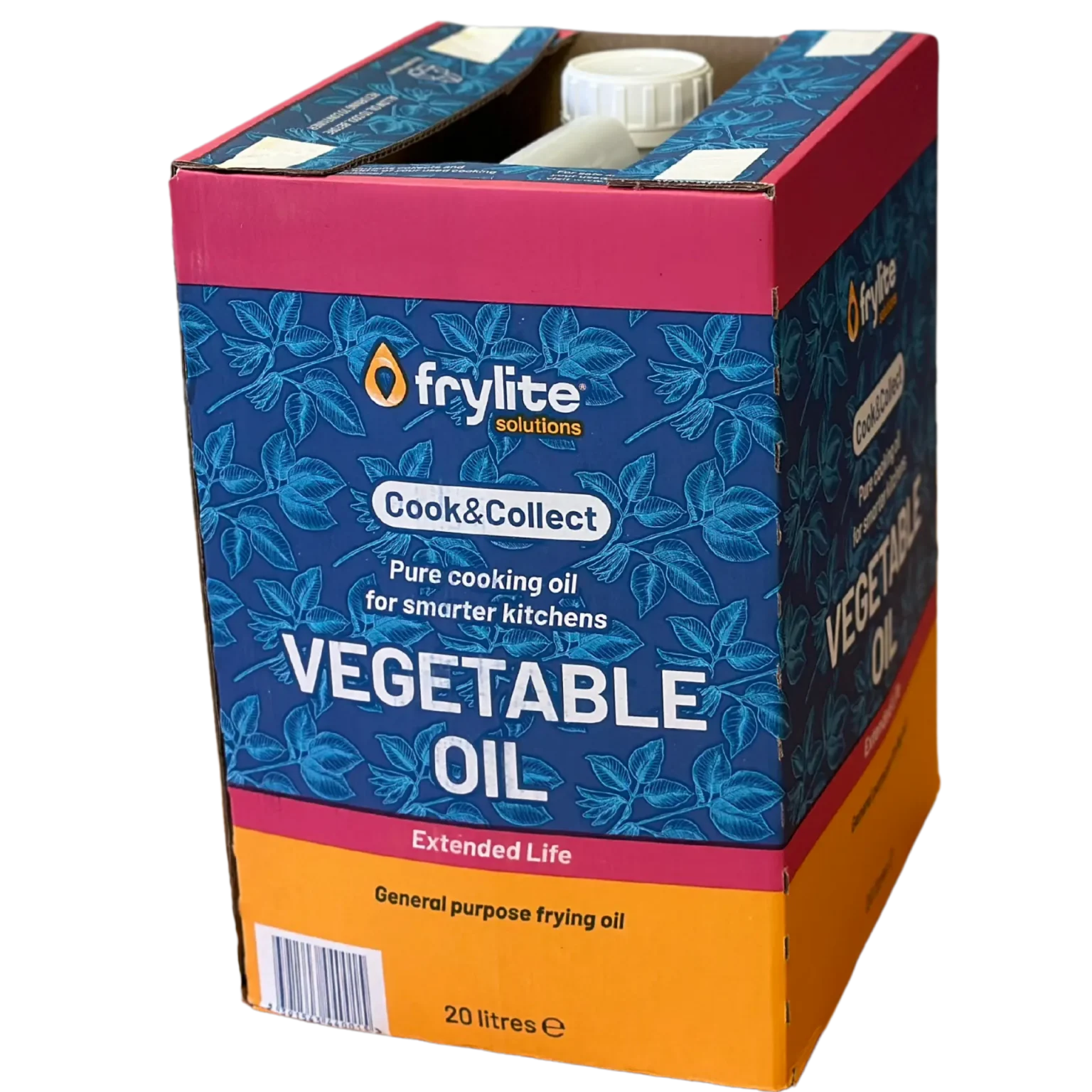
In the heart of Ireland’s vibrant culinary scene, where fresh ingredients meet innovative recipes, the choice of cooking oil can make or break a dish. As a dedicated cooking oil supplier based in Ireland, I’ve witnessed firsthand how the right edible oil can elevate everything from a simple stir-fry to a gourmet feast. Whether you’re a home cook experimenting in your kitchen or a restaurant owner sourcing wholesale cooking oil suppliers for bulk needs, understanding the nuances of cooking oil supply is crucial. In this article, we’ll dive deep into the world of edible oils, explore the benefits of local sourcing, and provide tips on finding reliable cooking oil dealers. Let’s uncover why quality matters and how it impacts your meals and business.
The Rise of Quality Cooking Oil in Irish Kitchens
Ireland’s food culture has evolved dramatically over the past decade. From the bustling markets of Dublin to the cozy eateries in Cork, there’s a growing emphasis on health-conscious, sustainable ingredients. Cooking oil, often overlooked, plays a starring role in this transformation. Did you know that the global edible oil market is projected to reach over €200 billion by 2027? In Ireland alone, demand for premium oils has surged, driven by trends like plant-based diets and Mediterranean-inspired cooking.
As a wholesale cooking oil supplier, I specialize in providing a range of options tailored to Irish tastes and needs. Think beyond the basic vegetable oil—options like extra virgin olive oil, rapeseed oil (canola), sunflower oil, and even specialty blends infused with herbs. These aren’t just lubricants for your pan; they’re flavor enhancers packed with nutrients. For instance, olive oil, rich in monounsaturated fats, supports heart health and adds a fruity depth to salads and roasts. Rapeseed oil, grown abundantly in Ireland’s fertile fields, offers a neutral taste perfect for frying, with the added bonus of being locally sourced to reduce carbon footprints.
But why does the supplier matter? In a market flooded with imports, choosing a local cooking oil supplier ensures freshness, traceability, and compliance with EU standards. Imagine receiving cooking oil in bulk that’s been pressed just weeks ago, versus something shipped from halfway across the world. This not only preserves flavor but also supports Irish agriculture. According to recent studies from Teagasc, Ireland’s agriculture authority, local oil production could cut food miles by up to 80%, making it an eco-friendly choice for environmentally aware consumers and businesses.
Navigating the Wholesale Cooking Oil Market
For businesses like cafes, hotels, and food manufacturers, sourcing cooking oil in bulk is a game-changer. Wholesale cooking oil suppliers offer economies of scale, ensuring you get high volumes at competitive prices without compromising quality. As cooking oil dealers with years of experience, we handle everything from 5-liter jerry cans to 1,000-liter IBC totes, customized to your storage and usage requirements.
One key consideration is the type of oil. For high-heat cooking, like deep-frying fish and chips—a staple in Irish pubs—opt for oils with high smoke points, such as refined sunflower or peanut oil. These prevent the formation of harmful compounds and maintain crispiness. On the health front, cold-pressed oils retain more antioxidants and vitamins, ideal for drizzling over dishes rather than heating.
Sustainability is another hot topic. Many edible oil suppliers now focus on ethically sourced products. Palm oil, for example, has faced criticism for deforestation, so look for RSPO-certified alternatives. In Ireland, we’re fortunate to have access to homegrown rapeseed, which requires fewer pesticides and supports biodiversity. Partnering with a supplier who prioritizes these aspects not only aligns with consumer values but can boost your brand’s reputation. A survey by Bord Bia revealed that 70% of Irish shoppers prefer products with sustainable credentials.
Tips for Selecting Reliable Cooking Oil Dealers
With so many options, how do you choose the right cooking oil supplier? Start by evaluating their product range. A good dealer should offer variety, from basic blends to premium organics, and provide detailed specs on origin, processing, and shelf life. Certifications like ISO 22000 for food safety are non-negotiable.
Next, consider logistics. In Ireland’s variable weather, timely delivery is essential to avoid stockouts. Reliable suppliers use temperature-controlled transport to prevent rancidity, especially for sensitive oils like flaxseed. Pricing transparency is key—beware of hidden fees in wholesale deals.
Customer service sets top cooking oil dealers apart. Look for those offering samples, expert advice, and flexible ordering. For instance, if you’re a small bakery in Cork needing cooking oil supply for artisan breads, a supplier with local depots can provide just-in-time deliveries, minimizing waste.
Finally, think about innovation. The best suppliers stay ahead of trends, like offering low-odor oils for open kitchens or fortified varieties with omega-3s. In my experience as an Irish-based provider, collaborating with clients to customize blends has led to unique products, such as garlic-infused olive oil for traditional Irish stews.
Health Benefits and Culinary Applications
Beyond supply chain logistics, let’s explore why edible oils deserve a spotlight in your diet. Cooking oils are more than calories; they’re sources of essential fatty acids. Omega-6 in sunflower oil supports cell growth, while omega-9 in olive oil aids in reducing inflammation. For those watching their waistline, using the right oil can make meals healthier—air-frying with avocado oil, for example, cuts fat absorption.
In Irish cuisine, oils shine in dishes like colcannon (mashed potatoes with cabbage) drizzled with herb oil or seafood chowders enriched with a touch of sesame for nuttiness. Experimenting with bulk supplies allows creativity without cost concerns. Home cooks can try making infused oils at home: steep rosemary in olive oil for a week, and you’ve got a versatile condiment.
However, moderation is key. The Irish Heart Foundation recommends limiting intake to 2-3 tablespoons daily to balance benefits and calories. Always store oils in cool, dark places to prevent oxidation—advice I share with all my clients.
The Local Advantage: Supporting the Irish Economy
Choosing a local cooking oil supplier isn’t just practical; it’s patriotic. Ireland’s oilseed sector employs thousands and contributes to rural economies. By opting for domestic products, you’re investing in farms from Leinster to Munster. Events like the National Ploughing Championships highlight this, showcasing innovations in oil production.
In Cork, where food tourism thrives, suppliers like us integrate with local producers. Imagine pairing our oils with cheeses from the English Market or seafood from Baltimore. This synergy boosts regional pride and tourism.
For businesses, local sourcing simplifies compliance with Brexit-related import rules, avoiding tariffs and delays. It’s a win-win: fresher products, stronger communities.
In summary, whether you’re seeking a cooking oil supplier for personal use or wholesale cooking oil suppliers for your enterprise, quality, sustainability, and service are paramount. As an Irish provider committed to excellence, I encourage you to explore options that align with your values.
Remember, the right oil doesn’t just cook—it inspires. Let’s keep Ireland’s kitchens sizzling with the best.
If you are looking for a reliable supplier, we recommend following this link https://frylite.com/