
23 December 2025
By Roger Kennedy
roger@TheCork.ie
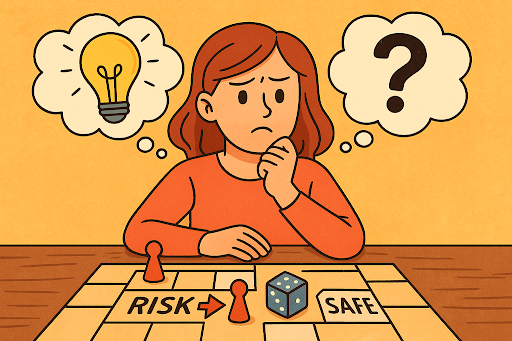
Every day, we make choices that involve some level of risk—even if it’s just trying a new coffee shop or speaking up in a meeting.
From routine decisions to life-altering moves, risk-taking shapes how we grow and adapt. Yet while some people thrive on uncertainty, others prefer to play it safe.
What drives these differences? The answer lies in the way our minds process danger and reward. Our unique personalities, emotions, and past experiences all influence how comfortable we feel with risk—and how we weigh possible outcomes.
This article breaks down the psychology behind everyday risk-taking and reveals what really motivates us when facing the unknown.
Smart betting: applying risk wisdom to everyday choices
Most people think of risk as something you encounter at a casino or sportsbook, but the reality is that uncertainty touches nearly every decision we make.
Choosing whether to negotiate for a higher salary, try a new restaurant, or even take a different route home involves weighing possible outcomes—much like placing a bet.
What sets experienced bettors apart isn’t luck. It’s their ability to assess odds, gather information, and act with intention instead of impulse.
This mindset translates well beyond the world of gaming. Sites like smart betting guide offer practical strategies for evaluating risk and making calculated decisions under pressure.
I’ve found that applying these principles—such as setting clear boundaries, checking emotions at the door, and learning from both wins and losses—can improve how you approach tough choices in work and life.
For example, before pitching a bold idea in a meeting, I ask myself: What’s the real downside? What can I control? Am I letting fear cloud my judgment?
Treating daily decisions more like informed bets means using logic over gut feeling when it matters most. That doesn’t guarantee success every time, but it does help build confidence in facing uncertainty head-on.
Why we take risks: the psychological drivers
Risk-taking isn’t a roll of the dice—it’s shaped by our unique personalities and emotional reactions to uncertainty.
Some people chase excitement, while others avoid risk at all costs. What pulls us toward bold moves or holds us back can shift from one situation to the next.
Understanding these drivers is more than academic. It helps us make sense of our decisions, predict our reactions, and choose which risks are worth taking—whether it’s making a career leap or deciding to speak up in a meeting.
Personality and risk appetite
Your willingness to take risks often starts with your personality traits. Openness nudges people to try new experiences, from switching jobs to traveling solo.
Impulsivity can push someone into quick decisions, sometimes leading to unexpected wins—or avoidable mistakes.
Sensation-seeking is another key factor. If you find yourself chasing adrenaline or novelty, you’re likely more comfortable with risk than someone who values routine and predictability.
It’s not just about thrill-seeking, though. The mix of these traits creates a personal “risk profile” that guides everyday choices—from experimenting with new recipes to making significant life changes.
The role of emotion: fear, excitement, and regret
Emotions often tip the scale when we weigh risks. Excitement can make uncertain opportunities feel irresistible—think of the rush before presenting an idea or trying something new.
Anxiety does the opposite. It magnifies potential downsides, causing hesitation or avoidance even when the odds are in our favor.
Regret also shapes behavior, sometimes pushing us to avoid repeating past mistakes or driving us toward action so we don’t miss out again.
Emotion & Risk-Taking: A 2023 study published in PMC found that both positive and negative emotions can drive increased risk-taking, with emotional habituation playing a key role. This suggests that how we process and adapt to emotions over time can directly influence our willingness to take chances in daily decisions.
Risk and reward: how the brain weighs uncertainty
Every decision, big or small, is a mental balancing act between what we could gain and what we might lose.
The brain handles this complex math using both emotion and logic—yet it doesn’t always get the numbers right.
Our internal risk calculator is influenced by chemistry, past experience, and subconscious shortcuts that can tilt us toward bold moves or unnecessary caution.
Understanding these forces gives you an edge when you’re sizing up your next big (or small) leap.
The brain’s reward system and decision-making
Dopamine gets a lot of credit as the chemical behind our pursuit of pleasure—and with good reason.
When faced with uncertainty, neural pathways light up in regions tied to reward and motivation. This activity pushes us to chase novelty or potential wins, even when outcomes are uncertain.
Neural Risk Response: A 2023 study showed that people who experience stronger activation in these areas are more likely to take risks. This natural wiring means some of us feel more drawn to risk than others—sometimes for better, sometimes not.
Cognitive biases: why we misjudge risk
The human mind isn’t built for perfect calculations. Instead, it relies on shortcuts—called cognitive biases—to speed up decisions when time or information is limited.
Optimism bias tricks us into believing things will work out better than they might. Loss aversion causes us to fear missing out more than we value potential gains.
These habits show up everywhere—from underestimating traffic on the way to work, to overestimating our odds at a casino. The key is learning to spot these patterns so you can pause and make choices with clearer perspective—especially when the stakes matter most.
Everyday risks: from small bets to life-changing moves
Most people picture risk-taking as high-stakes moments—starting a business, investing big money, or moving across the world.
In reality, risk is woven into nearly every part of daily life.
From choosing a new restaurant for dinner to voicing an unpopular opinion at work, we constantly face uncertainty in subtle ways.
The key is learning how to spot these moments and approach them with intention.
Understanding the difference between reckless chances and thoughtful risk can help you unlock growth—in your relationships, career, and personal development—without putting everything on the line.
Micro-risks: the little bets we make daily
Small risks are everywhere: raising your hand in a meeting, testing out a new workout class, or asking for feedback on a project.
These moments may not seem daring at first glance, but they push us beyond our comfort zones in meaningful ways.
I’ve noticed that when I take these minor chances—even just starting conversations with strangers—they often lead to unexpected opportunities or valuable lessons.
The willingness to experiment and accept small uncertainties helps build confidence for bigger decisions down the road.
Calculated risks: making big decisions with confidence
Bigger choices—like relocating for a job or pivoting your career—naturally involve more at stake.
The difference between regret and progress usually comes down to preparation and mindset.
Research shows that successful risk-takers tend to clarify their goals, gather information, and picture both positive and negative outcomes before committing. Risk-Taking for Growth, a 2023 article, highlights real-world examples where embracing uncertainty sparked major professional leaps forward.
The lesson: bold moves don’t need to be reckless. With a clear plan and honest self-assessment, calculated risks can fuel growth without unnecessary downside.
Conclusion
Risk is part of every meaningful decision, from minor changes to life-altering leaps.
The more we understand what drives our choices—personality, emotions, and the way our brains process uncertainty—the better equipped we are to handle risk thoughtfully.
Balancing caution with courage isn’t about avoiding uncertainty but learning how to weigh potential rewards against possible downsides.
When we become comfortable with this balance, taking smart risks can lead to growth, new opportunities, and a deeper sense of confidence in our everyday lives.