
20 March 2026
By Tom Collins
tom@TheCork.ie
Above: Who remembers Lovejoy (BBC TV 1986 – 1994). He was an antiques expert who enjoyed making money. Can you do the same?
With spring approaching, antique fairs, one of the the nations favourite pastimes for bargain hunters, will soon be back in full swing. From quirky collectibles to overlooked letters, vintage kitchenware to unusual decorative items, those with an eye for a bargain have the chance to snap up hidden treasures for very little money.
Drawing on years of experience treasure hunting for antiques and collectables, Jonathan Pratt, TV expert and Managing Director at Dawsons Auctioneers, has revealed some of his top tips for spotting hidden gems at antique fairs, along with the types of items worth looking out for.
Treasure hunting tips: the overlooked items that could be worth far more than you think
1. Look for novelty items that collectors love
Unusual or novelty objects can often be overlooked at antique fairs, but they can generate strong collector demand if you know what you’re looking for. TV antiques expert Jonathan Pratt recalls finding a hallmarked silver swizzle stick shaped like a golf club, an early 20th-century novelty piece that combined precious metal with collector appeal. Although the silver weight alone was not especially high, its novelty appeal among the niche but surprisingly enthusiastic cocktail collecting community gave it far more value than its small silver content might suggest.
Jonathan Pratt of Dawsons Auctioneers comments:
“Keep an eye out for unusual or novelty objects, especially those made from silver or silver-plate or other collectible materials, as these can sometimes be worth far more than their raw material value. If an object has an obscure but active collector base, those small novelty items can be worth a great deal more than they first appear.”
2. Don’t overlook small paper items
Paper items such as letters and documents, often grouped under the term ephemera, are frequently thrown into bargain boxes, sold cheaply or even discarded. Many sellers underestimate the value of historical paperwork, particularly when it contains postal marks, old handwriting or notable dates that offer insight into everyday life in the past.
“Always check boxes of letters, postcards and old documents. Small paper items are often undervalued but can attract strong interest from collectors of postal history and ephemera. I once bought an 18th-century letter for just £1 and later sold it for £28.”
3. Check boxes and mixed stalls carefully
Some of the best finds are hidden in unsorted boxes or on house clearance stalls, where sellers may not know exactly what they have. Pay extra attention to items in their original packaging, as this can increase resale value significantly.
“Take time to search through mixed boxes and house clearance stalls carefully. Valuable items are often hidden among everyday objects, particularly when sellers are clearing large quantities of household effects. I found a Staunton-pattern chess set buried in a box on a house clearer’s stall. It had weighted pieces and classic design, both signs of quality that collectors often look for. I bought it for £40 and later sold it for £100.”
4. Look out for quirky decorative items
Decorative household objects with unusual designs can attract strong interest from collectors. Pratt recalls a notable find: a cast-iron doorstop shaped like a wedge of cheese with a mouse on top, made at one of the 19th-century Scottish foundries. Pieces like this were sometimes made by foundry workers after hours and are quite collectable today.
“If something looks quirky, humorous or unusual, don’t dismiss it. Useful objects with distinctive or playful designs can have strong collector appeal because of their originality and character.”
5. Don’t underestimate textiles and soft furnishings
Vintage textiles, kitchen items and decorative household pieces can be surprisingly valuable, particularly if they date from the early 20th century or earlier and feature distinctive designs. These kinds of objects appeal to collectors of vintage kitchenalia and domestic antiques, especially when they have unusual forms or nostalgic charm. Vintage textiles are often very well made, represent excellent value, and can add real period charm to a dining table or interior in a way that modern mass-produced items often cannot.
“I bought a 1930s plush velvet tea cosy in the shape of a chicken for £25 and later sold it for £250. Vintage textiles, kitchen items and decorative household pieces can often hold surprising value, especially when they have unusual shapes or nostalgic appeal. Vintage textiles in particular are usually very well made, represent a real bargain, and can add period charm to any dinner table.”
6. Look for novelty tableware and decorative silver
Keep an eye out for novelty tableware, particularly those inspired by regional traditions, as these can be especially appealing to collectors.
“I once found a glass sugar bowl with silver plated mounts modelled as a curling stone, a Scottish novelty design, which sold for much more than I had paid for it. Other decorative silver pieces can also hold surprising value, such as small silver figurines or engraved serving spoons. Collectors are often drawn to the craftsmanship, uniqueness and design, which can significantly increase the value.”
7. Look out for vintage posters and graphic design
Vintage posters and printed advertising material can sometimes sell for far more than expected, particularly when they feature striking design, strong travel imagery or sought-after artists.
“I once bought a 1930s Ski Switzerland poster by Hermès for £180, had it backed onto linen for £100 and sold it a year later for £2,100. Always check posters, prints and advertising materials carefully, especially when they have strong graphic design, film or travel themes, or a well-known artist behind them, as collectors are often willing to pay a premium.”
Jonathan Pratt concludes:
“Whether you’re a collector or simply looking for a fun weekend outing, antique fairs are a wonderful place to uncover hidden gems, sometimes for just a few pounds. The thrill is in the hunt, as you never know what you might stumble across, from quirky decorative items to vintage collectibles that can be worth far more than you expect. Take your time, keep an open mind and don’t be afraid to dig through boxes or browse the smaller stalls, as some of the best finds are often hiding in plain sight. With a little patience, even a casual trip can turn into a rewarding treasure hunt.”
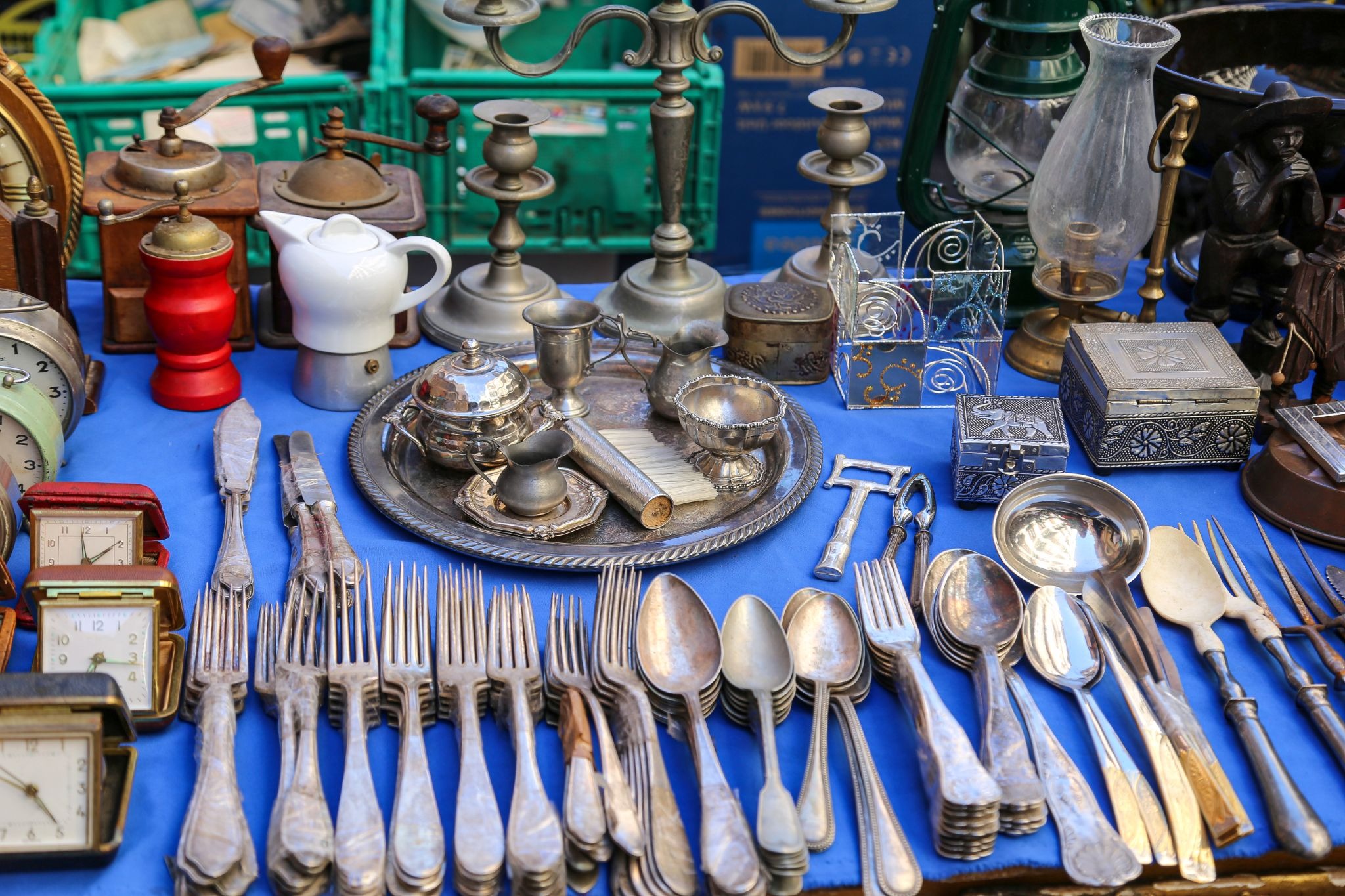
Photocredit: Svetilia / Shutterstock.com