
21 May 2026
By Roger Kennedy
roger@TheCork.ie
Soccer
It’s a feeling that’s become all too familiar for sports fans and bettors lately. You lock in your lineup or place your bet, thinking you’re set—then, right after everything’s final, news breaks that a key player is unexpectedly out or hurt.
This wave of late-breaking injuries doesn’t just change the odds on the field. It also chips away at the emotional investment fans pour into each game, leaving many questioning whether the system is truly fair or just stacked against them. The tension is growing, and everyone from leagues to weekend warriors is rethinking how to handle it.
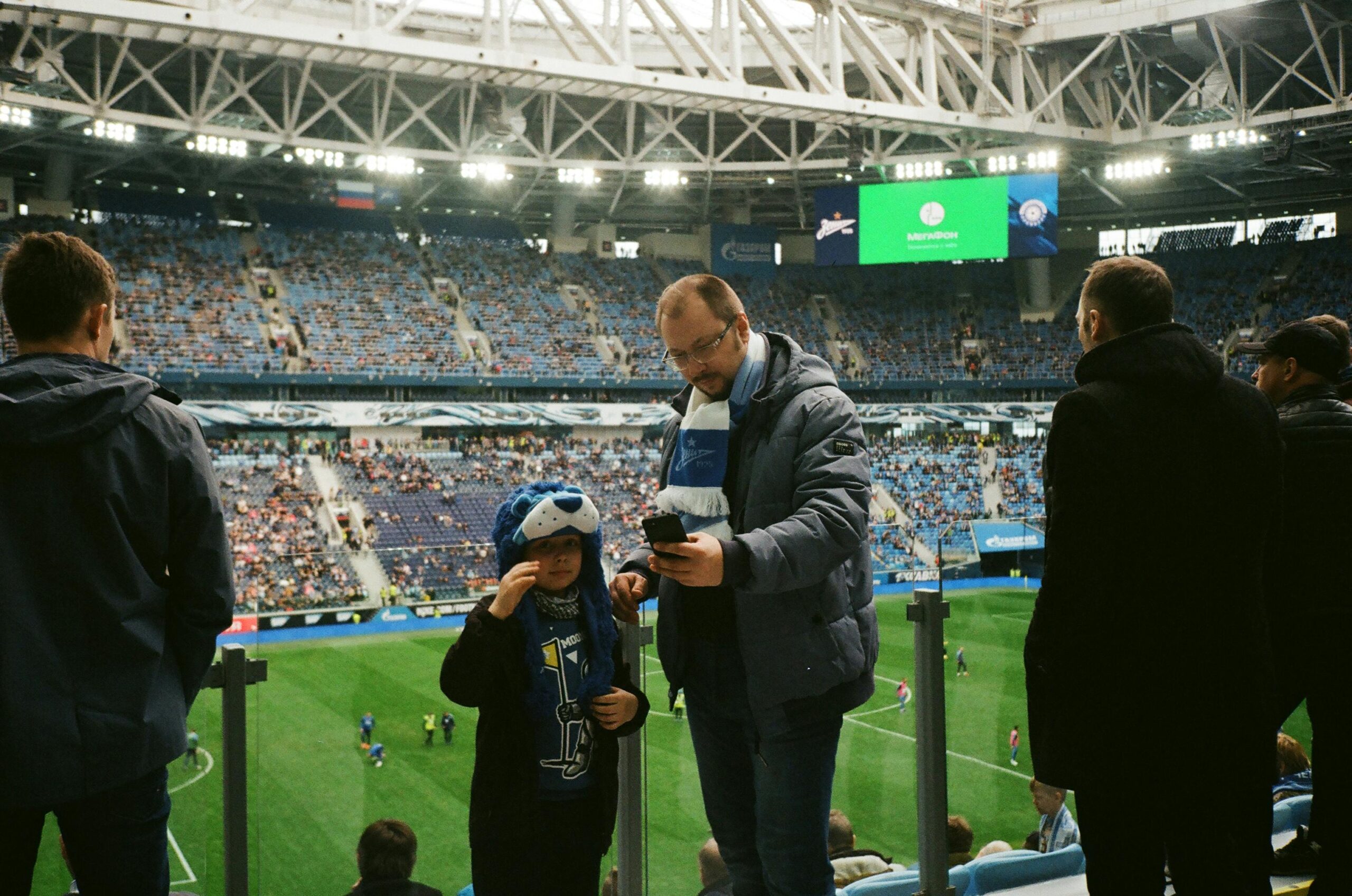
Photo by Darya Sannikova on Pexels
Locked lineups give fans a false sense of certainty
After that uneasy feeling sets in, fans look for a moment of calm once lineups are locked. It’s routine—set your fantasy roster, place your bets, and finally breathe out, thinking you’ve made the right calls.
But when injury news lands just after this window closes, that sense of certainty shatters. Suddenly, the rules feel slippery. Key players who seemed healthy are now out, and what felt like a solid strategy gets upended without warning.
This isn’t just a rare event anymore. Think back to December 2024, when Derwin James and Ladd McConkey were lost to late injuries against the Falcons. Many fans had already locked in choices, only to watch their prospects crumble with each breaking update.
For those invested—whether for the thrill, the competition, or the potential win—it’s hard not to question the process. You make decisions based on the best info available, but the game changes after your hands are tied.
Plenty of people try to outsmart the chaos by seeking out resources like NBA betting tips, hoping for an edge or at least a little peace of mind. Still, the unpredictability of late-breaking injuries keeps tripping everyone up, no matter how much research or advice they gather.
Emotional fallout: fans feel manipulated and let down
All the expert advice and preparation in the world can’t protect fans from that sinking feeling when late injury news drops after the window to change lineups has closed. For many, it’s not just a strategic setback—it feels personal, like the system itself is working against them.
When a key player goes down, and word gets out too late to act, disappointment quickly turns to suspicion. Many fans describe it as feeling manipulated or even betrayed. The sense is that decisions made in good faith are undone by information that comes out only when nothing can be done about it.
Recent cases have poured fuel on this frustration. The December 2024 game where the Chargers lost both Derwin James and Ladd McConkey to injuries against Atlanta had fans venting online, especially as the news surfaced after fantasy and betting choices were locked. Stories like Chargers injury news December 2024 get shared widely, with many demanding answers about why crucial updates seem to arrive just a little too late.
Social media threads fill up with accusations of secrecy, manipulation, and calls for more openness from teams and coaches. The feeling of being “played” isn’t just about losing a bet or fantasy match—it’s about losing trust in the process itself. That growing skepticism is changing how fans talk about, and relate to, the organizations they follow every week.
Coaching decisions under fire as injuries escalate
When trust in the process is already shaky, every coaching move starts to feel like it’s under a microscope. Fans notice when starters remain on the field late in games that are basically decided, and the risks suddenly seem glaring.
Recent months have seen this tension boil over. The choice to keep Chris Godwin in during a losing effort led directly to his significant ankle injury—an incident now at the center of Chris Godwin injury criticism from fans and analysts alike. Ladd McConkey’s late-game injury for the Chargers brought similar outrage, with many questioning why key players weren’t protected when the outcome was already clear.
Critics argue that pushing for marginal advantages in these moments isn’t worth the long-term cost. They see it as a gamble with both team fortunes and public trust. Each time late-breaking injury news drops after such a decision, debate reignites, and fans pore over every detail trying to pinpoint where accountability should land.
It’s leading to a shift in how coaching decisions are discussed. What used to be chalked up to “tough luck” now feels like something that could—and maybe should—have been avoided, fueling calls for genuine change from both inside and outside the organizations.
The search for accountability could change the game
This mounting frustration has led fans and organizations to push for real answers, not just explanations after the fact. The conversation is quickly moving from resignation to an insistence on transparency and fair treatment for everyone involved.
Possible changes getting serious attention include stricter rules about injury reporting, new sideline protocols to protect players late in games, and even tweaks to how and when lineup locks happen. People want to feel like their investment—emotional or financial—isn’t at the mercy of secrets and timing quirks.
Whether leagues and teams will actually adjust remains to be seen. For now, fans have grown more cautious, scanning for news right up until the last second and knowing all too well that a weekend’s hopes can turn on information that arrives just a little too late.