
13 December 2025
By Roger Kennedy
roger@TheCork.ie
Entertainment
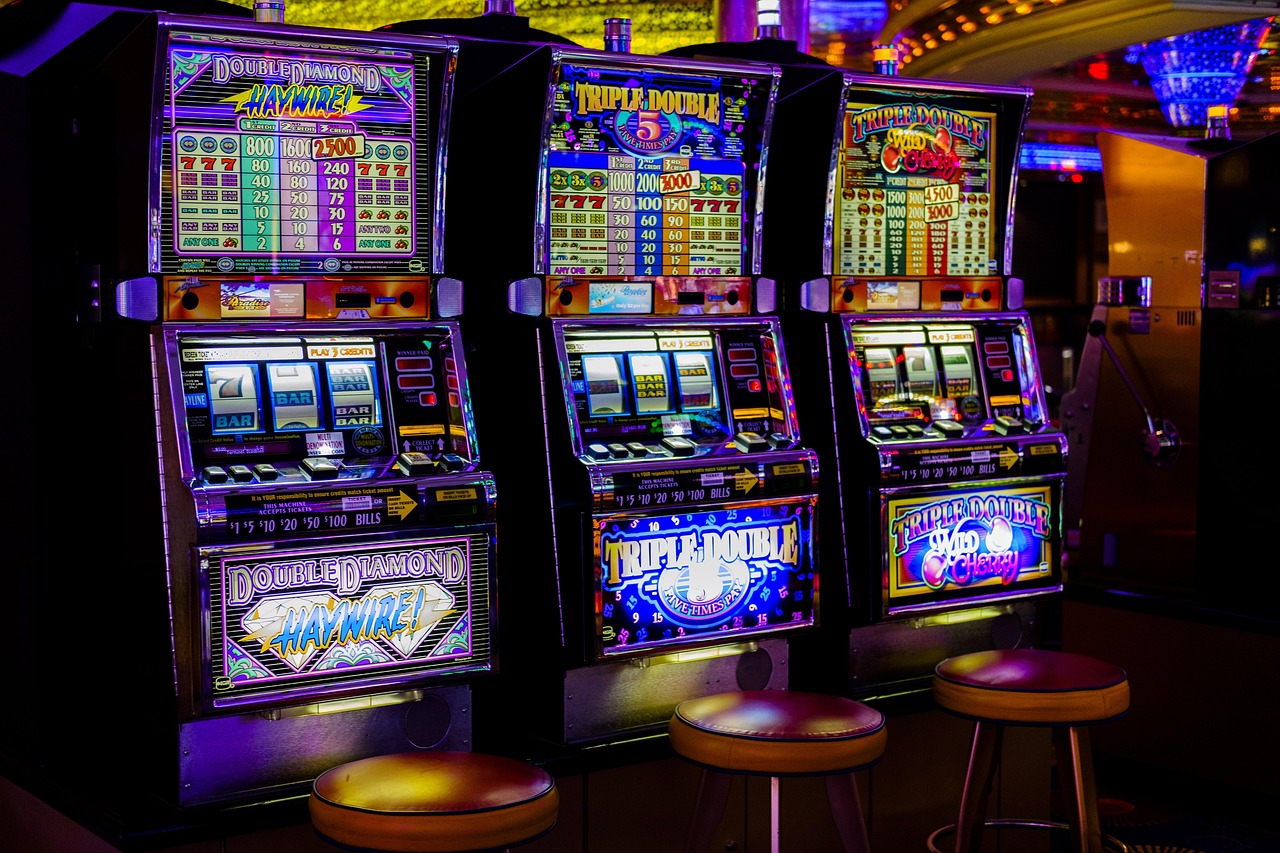
Casino reward systems are built around how the human brain reacts to uncertainty and excitement. Small wins, surprises, and rapid feedback release dopamine, the chemical associated with motivation and anticipation. These quick bursts of reward create a sense of fun, turning what is essentially a risk-based activity into something that feels more like a recreational game. Because this emotional response is powerful and immediate, players often remain engaged for longer than they originally intended.
The Influence of Game Mechanics on Gambling
Online casinos strengthen this effect by borrowing heavily from video game design. Features such as levels, achievements, unlockable bonuses, and animated progress bars create the feeling of advancement. When players see themselves progressing, even symbolically, they feel encouraged to continue. This structure mirrors mobile gaming, where incremental achievements keep users returning. By giving gambling a sense of progression, casinos transform it from a sequence of bets into an experience with continuity and perceived growth.
To enhance this sense of freedom, some players explore casino sites not on GamStop, which often provide broader game libraries, more generous bonuses, and less restrictive loyalty schemes. These platforms can feel more dynamic, with faster progression and more personalised offers. For many users, the variety and increased flexibility heighten the entertainment value, making the reward systems feel richer and more interactive. This supports the broader illusion that gambling resembles gaming rather than financial risk.
Why Unpredictable Rewards Are So Effective
A major principle behind casino reward systems is the variable ratio schedule, the psychological pattern where rewards arrive unpredictably. This is one of the strongest reinforcement methods known in behavioural science. When players cannot predict the next win or bonus, their anticipation intensifies. Each wager feels like an opportunity for something unexpected. That uncertainty keeps people engaged because the next reward might be moments away, even though the outcomes are generated randomly and without actual progression.
Visual and Audio Cues That Reinforce Play
Casinos amplify reward sensations using visual and sound cues. Bright animations, celebratory jingle effects, and flashing colours appear even during low-value wins. These cues create the impression of achievement, regardless of the actual financial return. Over time, the sensory experience becomes a reward in itself. This is similar to arcade machines, where sound and light effects trigger satisfaction. In an online environment, these layered cues blur the line between gambling and entertainment even further.
The Power of Near Miss Experiences
Near misses are one of the most effective psychological tools casinos use. When a player narrowly misses a jackpot or special bonus, the brain interprets that moment as a partial win. This emotional response increases motivation to continue, even though the near miss has no impact on future results. Casinos purposely design games to create these moments more frequently. They are powerful because they trigger a strong belief that a significant win is close, sustaining ongoing engagement.
Progression Through Loyalty Tiers
Loyalty and VIP schemes reinforce consistent play by creating tiered progression systems. Like levelling systems in role-playing games, each step unlocks greater benefits such as cashback, enhanced bonuses, or exclusive promotions. This structure makes gambling feel like a journey with milestones rather than individual wagers. The urge to reach the next tier can subtly influence behaviour, encouraging players to return regularly. The psychological pull comes from the desire for status and the satisfaction of measured improvement.
Social Interaction and Community Features
Online casinos increasingly integrate social features, turning gambling into a shared experience. Multiplayer tables, community jackpots, leaderboards, and public win notifications introduce social comparison and friendly rivalry. When players see others winning or participating, they often feel inspired to join in. Humans naturally respond to social cues, and casinos use this behaviour to deepen engagement. These tools transform the environment from a solitary activity into one that feels communal, playful, and socially rewarding.
Emotional vs Rational Decision Making
One of the reasons reward systems are so effective is that they appeal to emotion rather than logic. Players may fully understand the odds, yet the excitement created by bonuses, near misses, and achievement-based mechanics can be great. Emotional rewards arrive quickly, while logical assessments require deliberate thought. Casinos rely on this imbalance. The thrill of progress, even symbolic progress, keeps players involved because the experience is enjoyable, stimulating, and unpredictable.
Why These Systems Continue to Evolve
As technology advances, casinos refine their systems using personalisation tools and behavioural data. Machine learning allows platforms to tailor rewards to individual play patterns, making bonuses more relevant and tempting. The result is an experience that feels customised, almost as though the system reacts to the player’s behaviour like a responsive game. By adapting to each user, casinos further reinforce the impression that gambling is an interactive entertainment activity rather than a chance-driven pursuit.
Conclusion
Casino reward systems succeed because they blend psychological reinforcement, game mechanics, and emotional triggers into a seamless experience. Unpredictable outcomes, sensory cues, personalised bonuses, and social features all work together to make gambling feel like a form of digital entertainment.
251205 9505 sched for 251213