
13 July 2026
By Roger Kennedy
roger@TheCork.ie

Hopping across the water to the UK for a weekend away or a longer road trip is dead handy. Same side of the road, similar enough driving culture, and flights or ferries that won’t break the bank.
But renting a car over there comes with a few wrinkles that catch Irish drivers off guard every single time. The speed limits are in miles, the insurance setup is different, and if something goes wrong on the road, you’ll be dealing with a whole different claims system.
Your Irish Licence Works Fine, But Bring the Right Bits
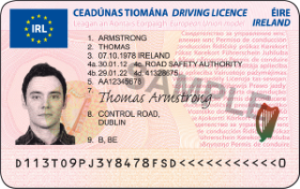
Your full Irish driving licence is accepted across the UK without any fuss. You won’t need an International Driving Permit because the licence is in English and issued by an EU member state. That said, a few things are worth keeping in mind.
Most rental companies will want you to have held a full licence for at least one year, and some bump that up to two. If you’re under 25, expect a young driver surcharge on top of your daily rate. A few companies won’t rent to anyone under 23 at all.
You’ll also need a credit card in the lead driver’s name for the security deposit. Some companies accept debit cards, but it’s rare and usually comes with extra identity checks. Bring your passport along too, as UK rental desks tend to ask visitors for photo ID on top of the licence.
Miles Per Hour, Yards, and Other Small Shocks
This is the one that gets people. In Ireland, everything is in kilometres. Cross to the UK and suddenly every speed limit sign is in miles per hour. Motorways are typically 70 mph (roughly 113 km/h), A-roads are 60 mph (about 97 km/h), and built-up areas are 30 mph (48 km/h). Your car’s speedometer will likely show both, but if you’ve spent years glancing at km/h, it takes a bit of getting used to.
Road signs are different too. The UK uses the old imperial system for distance, so you’ll see signs reading “London 45 miles” instead of the metric distances you’re used to at home. Warning signs are also shaped differently. Ireland uses yellow diamond-shaped hazard signs borrowed from the American style, while the UK goes with red-bordered triangles following the European standard. It’s a small thing, but it can throw you if you’re tired after a ferry crossing.
Roundabouts work the same way, and you’ll drive on the left, so that’s grand. The biggest adjustment is really just speed awareness. Keep half an eye on the speedometer for the first hour and you’ll settle in quickly.
How Rental Car Insurance Actually Works in the UK
Every UK car rental includes third-party liability insurance and a Collision Damage Waiver (CDW) in the price. The CDW means you won’t be on the hook for the full value of the car if it gets damaged. But here’s the catch: there’s still an excess you’re liable for. Depending on the company and the car, that excess can sit anywhere between £500 and £2,000.
Rental desks will push hard to sell you their own “Super CDW” or “Excess Protection” to bring that figure down to zero. It works, but it’s expensive. You could be paying £15 to £30 a day on top of your rental rate. A much cheaper option is to buy standalone excess insurance from a third-party provider before you travel. Third-party excess insurance providers sell standalone policies for a fraction of the desk price. A quick search before you travel can save you hundreds. You pay the excess up front if something happens, then claim it back.
It’s also worth checking what your CDW actually covers. Tyres, windscreen, roof, and undercarriage are often excluded from the basic policy. Read the fine print before you drive away.
What Happens if Someone Hits Your Rental and It’s Not Your Fault
Here’s something most Irish drivers don’t think about until it happens. You’re driving a hire car on the M6, someone rear-ends you at a junction, and suddenly you’re stuck on the side of the road wondering who to ring.
In the UK, if you’re involved in a non-fault accident, you don’t have to go through the rental company’s insurance or your own insurer. There are accident management companies that handle the entire claim on your behalf. They’ll deal directly with the at-fault driver’s insurer, arrange repairs, and can even get you a like-for-like replacement car while yours is being fixed. The key point is you don’t pay a penny, because all costs are recovered from the other driver’s insurance.
This matters for rental car drivers because going through the hire company’s standard process usually means paying the excess up front and waiting to get it back. That can be hundreds of pounds out of your holiday budget.
How Accident Management Companies Handle Non-Fault Claims
The process is fairly simple. You contact the accident management company, give them the details of what happened, and they take it from there. They’ll speak to the other driver’s insurer, sort out a replacement vehicle, and manage any repairs. Companies like Innocent Driver specialise in exactly this kind of claim, handling everything from arranging repairs to recovering costs from the at-fault driver’s insurer.
For an Irish driver in a rental car, this is worth knowing about. You probably don’t have a UK insurer to fall back on, and the rental company’s process can be slow and frustrating. An accident management company cuts through that.
Whatever you do, make sure you gather evidence at the scene. Take photos of both vehicles, the road, and any damage. Get the other driver’s name, registration number, and insurance details. Note down any witnesses. This makes the entire claims process faster, regardless of which route you go down.
Fuel, Tolls, and the Bits Nobody Mentions
A couple of practical things that won’t ruin your trip but will save you a headache. First, check whether your rental takes petrol or diesel before you pull away. Misfuelling isn’t covered by most insurance policies, and it’s an expensive mistake.
Second, the UK has far fewer toll roads than Ireland. The main ones to watch out for are the M6 Toll in the West Midlands, the Dartford Crossing near London, and the various bridges like the Mersey Gateway. The Dartford Crossing doesn’t have a booth. You need to pay the Dart Charge online or by phone by midnight the day after you cross, or you’ll face a fine. That catches plenty of visitors out.
If your rental has a fuel policy of “full to full”, fill up near the airport or depot before returning the car. Rental companies charge a premium for refuelling, and it’s always more than you’d pay at a forecourt.
A Useful Checklist Before You Pick Up the Keys
Before you head to the desk, make sure you’ve got everything sorted:
- Full Irish driving licence (held for at least 1-2 years depending on the company)
- Passport or photo ID
- Credit card in the lead driver’s name
- Proof of return travel if requested
- Standalone excess insurance policy (if you’ve bought one)
- A rough idea of your route, especially if it involves toll roads
Don’t Let the Small Differences Catch You Out
Renting a car in the UK as an Irish driver is easy enough once you know the handful of things that differ from home. The biggest ones are the speed limits in miles, the insurance excess on your rental, and knowing your options if something goes wrong on the road. Get those three things squared away and the rest is just enjoying the drive. Safe travels, and keep an eye on that speedometer for the first few miles.