
7 May 2026
By Roger Kennedy
roger@TheCork.ie
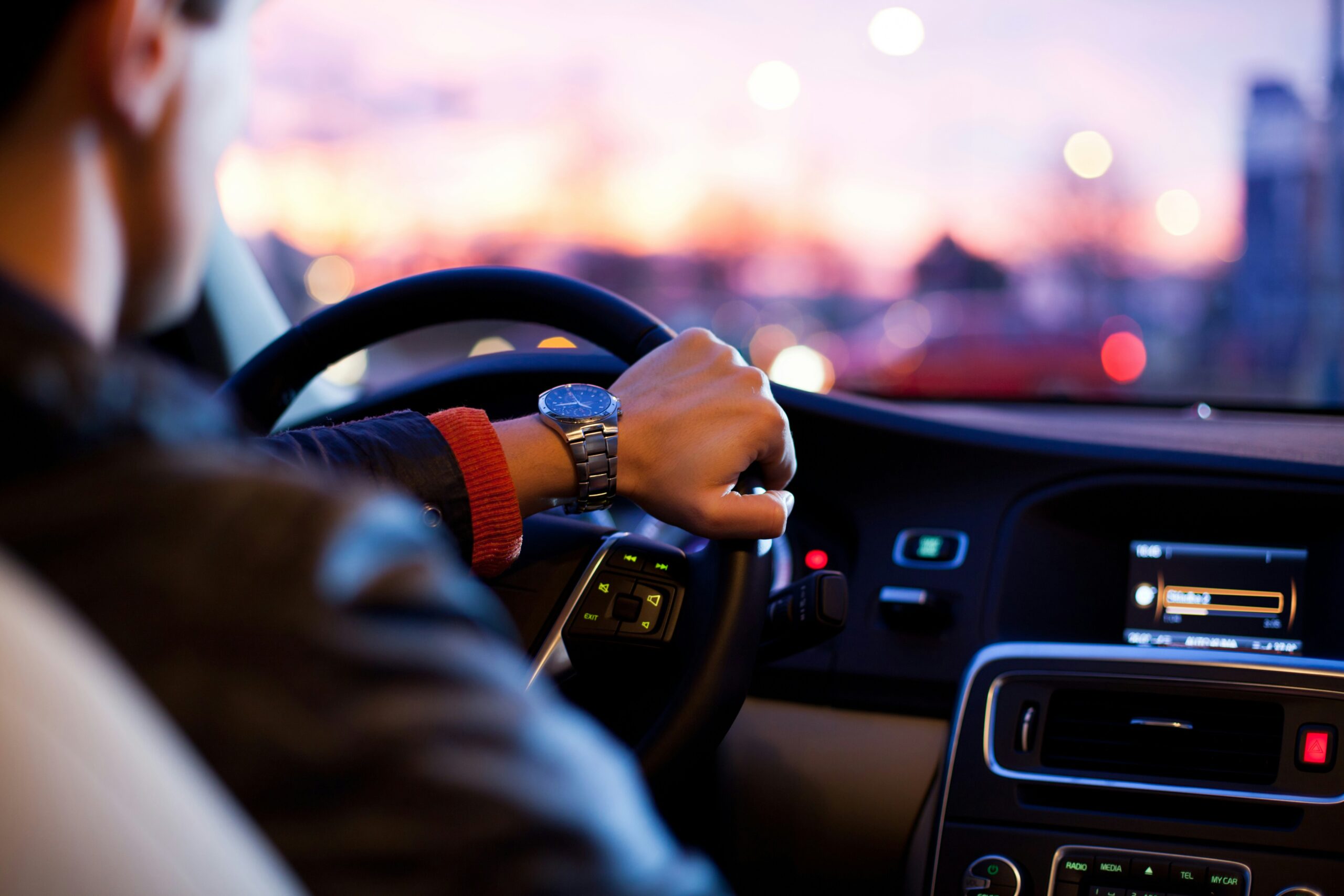
Image credit: https://unsplash.com/photos/man-driving-a-car-wearing-wrist-watch-8e2gal_GIE8
Trains run from Cork to Dublin non-stop. And buses cover all parts of the city, including the charming towns and villages on the Wild Atlantic Way, such as Greencastle and Clifden, making a car-free journey more than feasible. Many people walk. To get to work, take their kids from school, and run errands – buy pet food, go to the bank, or drop off/pick up dry cleaning. Mary Elmes Bridge makes getting from the city centre to the Victorian Quarter so much easier, but there’s more we can still do to keep conflicts between cyclists and those on foot to a minimum.
Being able to drive brings a great deal of joy, but learning doesn’t stop once we pass the test – it takes a lifetime. To feel more confident on the road, we need at least 100,000 kilometres behind the wheel. We can practice driving with family or friends, as long as we’re accompanied by someone who has a lot of experience in navigating traffic and can keep their composure and be supportive. This isn’t just a formality. More than half of learner drivers are involved in brutal crashes that are likely to be deadly.
More Than 636 Learner Drivers In Co Cork Were Fined For Driving Unaccompanied
Going from understanding the rules of the road and how a vehicle works to driving safely in traffic requires shifting our energy and focus, and the transition can be difficult, which deletes/overwrites the memory about how much we love what we do. Ireland encourages learners to get lots of supervised practice and experience before driving on their own. We’ve seen clips on TikTok claiming that those who’ve completed the 12 mandatory EDT sessions and have taken the test can drive unaccompanied. Even if we’re going to the shops, a qualified driver must be present.
Gardaí caught 22.1% more learners driving without supervision in Co Cork between 2024 and 2025, putting themselves – and others – in danger because they don’t know how to best act in challenging situations like traffic lights suddenly turning yellow or when another driver is tailgating. In 2024, 521 fixed charge notices were issued, and in 2025, that number went up to 636. South Ireland MEP Cynthia Ní Mhurchú believes that learners and parents simply don’t understand the risks. And it’s costing us. Even if speed isn’t a factor in every accident, it often determines the outcomes.
In Ireland, It’s Illegal For Learner Permit Holders To Drive On Their Own
It’s relatively easy to start, stop, and steer, but scanning the road ahead, maintaining a safe following distance, and eliminating distractions can be very difficult. The supervising driver offers advice and suggestions. Not to mention they can help identify potential hazards, but most of the decision-making belongs to the learner. The consequences of getting caught driving alone can be anything from a €160 fine to 2 penalty points to the Gardaí taking the car. Owners who allow a learner driver to use their vehicle could be hit with a fine of €1,000.
An accident isn’t inevitable. Refusing to drive in the rain and regularly checking the tyres, brakes, lights, and the engine can make all the difference. If the at-fault driver doesn’t admit they’re wrong, or if they refuse to compensate the victim, the case may end up in court. The Injuries Resolution Board is a much better option. Mediation can be less than 4 months, and parties don’t even have to speak to one another. An average assessment by the IRB is 3.9 times higher than the British equivalent for a personal injury claim, which raises some questions.
Walking Disaster? That Can Mean More Accidents On The Roads
The rules ask us to take personal responsibility for our use of the road, so we must never cut in front of cyclists or motorcyclists and take extra care near schools. Learner permit holders must be accompanied and be under the guidance of a fully licensed driver of at least two years’ experience because they’re more likely than other road traffic participants to get involved in serious crashes. The burden on society and employers runs in the billions. That’s exactly why Ní Mhurchú wants repeat traffic offenders and those convicted of drug driving to be forced to re-sit their driving test.
Driving doesn’t seem dangerous, but there’s always a horror story to prove us wrong. The responsibilities of being a parent don’t end after our kids turn 18, so we’re expected to step in and help if they have problems or don’t understand some of the rules. For example, driving after sunset is just as dangerous as driving under the influence due to glare and reduced visibility. Overseeing someone learning calls for patience. It’s helpful to offer clear instructions and use constant reminders, such as “Turn left at that next corner.”
Laws Establish A Sense Of Order And Predictability In Traffic
Most of us like to break the rules knowing we won’t get caught – at least not right away. Some text and drive, failing to spot road signs or traffic lights, while others change lanes without telling anyone about their plans. Even if young drivers are less likely to drive under the influence, they’re more at risk on the roads because they don’t see the hazards and make poor choices, such as driving as fast as they can. Changes to the learner driver laws in Ireland are planned for November. Those with several permits should take the test before everything kicks in.
Motivation doesn’t come from pep talks. We need to make sturdy choices, selfless decisions, and have tough conversations to create a better society. Every time you and I get in the car, we must take extra care when accelerating and braking, and give more space to vulnerable road users like horse riders. Drivers who got their licenses decades ago would benefit from a refresher course. This, of course, isn’t an excuse to cast the blame on others.