
8 June 2026
By Roger Kennedy
roger@TheCork.ie
Entertainment
The desire to test one’s luck has accompanied humanity throughout its history. Long before the advent of digital technology, people rolled dice, drew lots and placed bets. The journey from primitive dice to modern servers processing millions of bets per second spans millennia of cultural and technical change. Today, choosing a platform begins with studying rankings such as best casino online Ireland, yet the roots of this pastime stretch back to ancient times. Let’s trace this fascinating evolution.
Ancient origins: dice and lotteries
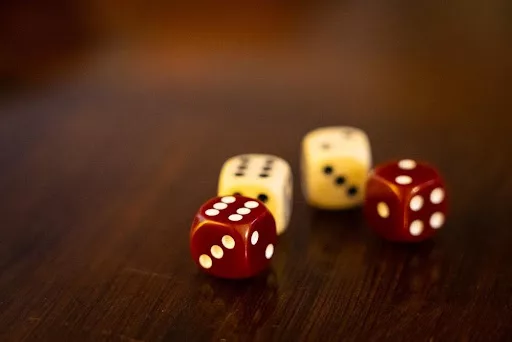
Archaeologists have unearthed dice dating back several thousand years. In Ancient Rome, gambling was extremely popular, despite formal bans. Legionaries passed the time rolling dice, and the stakes sometimes reached impressive sums.
Characteristic features of that era:
- B Dice made of bone and stoneB — the first gaming implements.
- B Betting on chariotsB — public contests attracted thousands of spectators.
- B The toss of the lot in decision-makingB — chance often determined one’s fate.
- B Bans and how they were circumventedB — games flourished in defiance of the law.
The Middle Ages and the emergence of playing cards
The next significant stage is linked to the spread of playing cards. They are thought to have come to Europe from the East and quickly gained popularity. Card games brought together people from all walks of life — from peasants to the nobility.
The development of card traditions
Gradually, the rules that have survived to this day took shape. The deck acquired its familiar structure, and a whole culture of parlour entertainment developed around it.
Early attempts at regulation
Authorities in various countries would alternately ban games or impose taxes on them. This contradictory attitude accompanied gambling for centuries.
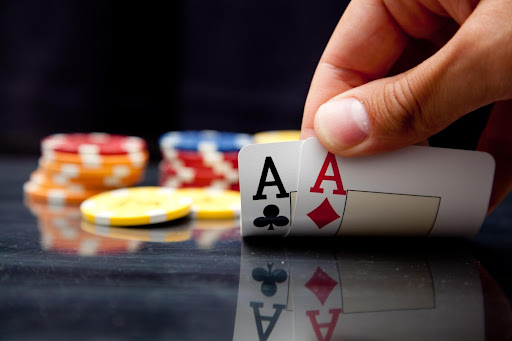
The Birth of the Casino as an Establishment
The very word ‘casino’ derives from the Italian term for a small house. In the seventeenth century, one of the first official gambling establishments opened in Venice. From that moment, the era of organised gambling with fixed rules began.
What this era brought:
- The emergence of specialised gaming venues.
- The emergence of the croupier profession.
- The standardisation of rules and stakes.
- The transformation of leisure into a fully-fledged industry.
The era of legendary gambling capitals
The nineteenth and twentieth centuries gave the world famous entertainment hubs. Monte Carlo, and later Las Vegas, became symbols of luxury and excitement. These cities turned gambling into a large-scale spectacle featuring hotels, restaurants and entertainment.
Distinctive features of the period:
- Grand complexes with thousands of slot machines.
- The combination of games with entertainment programmes.
- The transformation of cities into tourist magnets.
- The birth of the modern hospitality industry.
The digital revolution and the online format
The advent of the internet changed everything. In the mid-1990s, the first virtual platforms were launched. Gaming became accessible from home, without the need to travel. The development of mobile entertainment later brought entertainment straight into the user’s pocket.
Key changes of the digital era:
- Access to games from anywhere in the world.
- Huge catalogues instead of limited venues.
- The introduction of convenient online payment methods.
- The use of random number generators instead of physical equipment.
Modern technology behind the process
Today, behind every bet lie powerful servers and complex software. Advanced game analytics allows operators to process colossal volumes of data and improve their products. Independent auditing of algorithms guarantees the fairness of outcomes, whilst licensing ensures the transparency of the platforms’ operations.
Conclusion
The history of gambling is a mirror of the development of civilisation itself. From the dice of Roman legionaries, through card rooms and luxurious casinos, it has evolved into server technologies and virtual gaming halls. Each era has brought new forms, but the essence has remained the same — the desire to try one’s luck. Understanding this journey helps us view modern leisure as part of a centuries-old tradition.
Gambling is a form of entertainment, not a way to make money. This material is intended for persons aged 18 and over (18+). Please gamble responsibly.